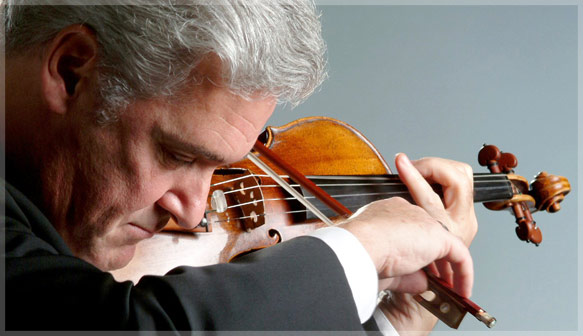
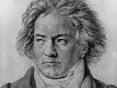
 The headline tells it all; the writer will elaborate briefly for readers who have not heard Pinchas Zukerman play or who wonder about Beethoven and the violin. However, the available superlatives all fall away in remembering this musical experience. On January 26, 2014, Pinchas Zukerman was both the conductor and the solo violinist for London’s Royal Philharmonic performing three works by Beethoven: Overture to The Creatures of Prometheus; Violin Concerto in D maj; Symphony No. 5. One could say it was a celestial experience if it were not that Beethoven insists upon being an earthling. The music rips right into whatever it means to be human, the myriad things it means to be human, and celebrates life here on earth. The people wanting to build that foul pipeline of tar sands oil across American lands could never have heard Beethoven. Oddly enough, Beethoven’s music somehow encompasses even them. Mr. Zukerman’s low key approach to conducting is deceptive. Those who have witnessed famous adults and highly skilled ten year olds dramatically waving their violin bows in order to tell their audience when they are playing something important and when they are ready for an ovation might find the absence of dramatics disappointing, but his style allows the music to be the only focal point. Mr. Zukerman’s playing is masterful, a joy. In the lengthy concerto it ranged from exquisite simplicity to complex, virtuosic performance that left one breathless. The concerto’s last movement is a delightful dance. The theme sounds like fun, but it is able to be playful because it dances on top of such musical complexity and Beethovenian energy. One moment in Mr. Zukerman’s performance particularly revealed how thoroughly he lives in the music. His back to the audience, he conducted with spare movements and played. He then turned toward the audience, lifted violin to chin, bow to violin, and began to play his solo part. The time between is what fascinated me. He knew physically exactly how long he had to make that 180 turn and begin to play. No rush. Mr. Zukerman would be great at the most challenging jump rope routines. Everyone has heard the 5th Symphony or at least knows how it begins. It was the theme for the Huntley/Brinkley news decades ago. It was the Victory symphony in World War II. The problem with something that we all think we know is that we often forget to listen to it. The Royal Philharmonic and Pinchas Zukerman’s performance of Beethoven’s 5th Symphony transmitted the greatness of Beethoven’s sense of life. It is possible to hear it telling the tale of human being, alone and together. The music stretches the reach of what we want to think of as Western Civilization, of Culture with the largest Capital C, of human potential good and bad. At the end, when the clowns, chimpanzees, whales, toddlers, miners, mothers, trees, lilies, and weeds, are all in the music, exuberant with life moving in every cell, the listener is elevated to thrill in being. This listener levitated above the crowded staircase out the symphony through the traffic to find her car had been smashed and robbed. This listener, reminding herself that even that was included in the 5th Symphony, even those who want to build the pipeline, was thankful to have heard it.
Author Archives: Leslie
Barantschik, Zukerman, Kremer: Great Violinists in San Francisco, Part I
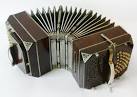 Part I: Music lovers in San Francisco had a festival of great violinists from late January to Groundhog’s Day. It was easy to forget the inevitable post-holiday let down when in the presence of artistry that lifted the spirit while demanding an open heart and mind. Alexander Barantschik, San Francisco Symphony’s Concertmaster, was leader and soloist on Jan. 22, 2014, when members of the SFSymphony joined him in works by Mozart, Mendelssohn, Britten, and Piazzola. With the exception of Piazzola’s works, each composer wrote the selections when very young. Very young: Mozart was 16 when he wrote Divertimento in F maj.; Mendelssohn was 13 when he wrote Concerto in D min. for Violin and String Orchestra; Britten was 10-13 when he wrote the themes, songs, and tunes which he made into Simple Symphony when he was 20. The words charming, delightful, beautiful are the ones which instantly come to mind for the Mozart Divertimento. The second movement Andante has a delicious lyrical, nearly seductive style. It ends with a Rondo which is bright and exciting. The players did so well capturing the light-on-water brilliance. Barantschik’s playing in the Mendelssohn Concerto had all the virtuosic abilities the piece deserves. He is an appropriate inheritor of the piece which was written for Eduard Rietz, the violinist to whom Mendelssohn dedicated important works and who was Concertmaster when Mendelssohn revived Bach’s Saint Matthew Passion. Before joining the SFS, Barantschik served as concertmaster of the London Symphony Orchestra. San Franciscans are fortunate to hear his performances with the orchestra and in chamber performances. The Concerto is full of energy and musical invention. Mendelssohn demonstrates his ability to see the many different dimensions in which the music can be arranged, altering the order of phrases and finding new combinations for them. Never more devoted to chess playing than to music making, the young genius gives us music that thrills the audience. Britten’s Simple Symphony was a surprise to audience members who know Britten only through “heavy” music like operas Turn of the Screw. This was fun and tuneful. The four movements, Boisterous Bourree, Playful Pizzicato, Sentimental Saraband, Frolicsome Finale, live up to their titles to create a frolicsome suite. The musicians played with relish. I first heard Piazzola’s music when a friend played tapes he had brought back from Argentina many years ago. It is tango, but it is more than “just tango,” and also shows how complex and rich tango can be. Barantschik was accompanied by soloist Seth Asarnow on bandoneon and the SFSymphony players. At the risk of robbing the music of its fascination, it’s worthwhile to assert that it is serious music. It is music that grew in a composer whose consciousness included jazz and Stravinsky (and Stravinsky was a composer whose consciousness had said hello to jazz as well). Tango is popular music which might prevent some music writers from taking it seriously; not this one. After all, the tango is famous, and infamous, for being about sex, a very mysterious and serious source of art.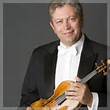
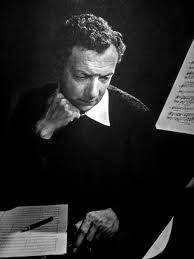
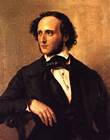 pictures: top: a bandoneon; above, L to R: Alexander Barantschik, Felix Mendelssohn; below, Astor Piazzola, Benjamin Britten.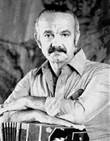
Gung Hay Fat Choy! Happy New Year!
 It’s the Year of the Horse. Come celebrate with Lively friends at the Meet Us at Ming’s luncheon/banquet. It will be an amazing event. The food, veg and non-veg, is so delicious. The attendees are all good looking, intelligent, and witty–just like you! It is difficult to make a seating arrangement. Everyone is interesting. However, they may also be calculating how to win the auction items of their choice. Guittard Chocolate is one of the great prizes in the silent auction. It’s so appropriate that the Guittard Chocolate Co. is part of this event with their generous donation. Guittard is one of very few businesses started in the Gold Rush which is still around and successful today. Since the Ming’s event is meant to support our educational programs, like The Gold Rush! This is a perfect match. It is very easy to fall in love with Guittard. After picking up the 10 lb block of chocolate and another box of chocolate treats, my car smelled like heaven. Come to Ming’s Feb.1st, tomorrow, at noon. Support the Lively Foundation. Supporting a supporter of our programs like Guittard Chocolate is a pleasure. Indulge in the best chocolate and know that by doing it you help education in your community! Wow! Lively wants you to be happy.
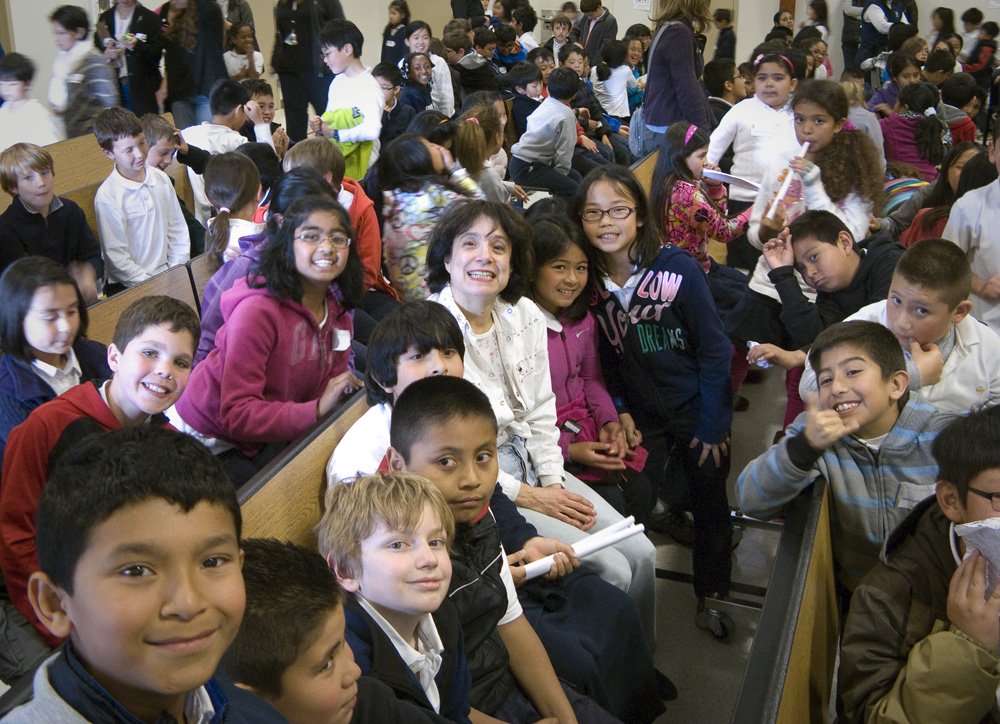 2013 Pictures: Students in San Mateo with Leslie Friedman; Jeanne Watson, L. Friedman, Godfrey Watson; Vicky Kwoh Ching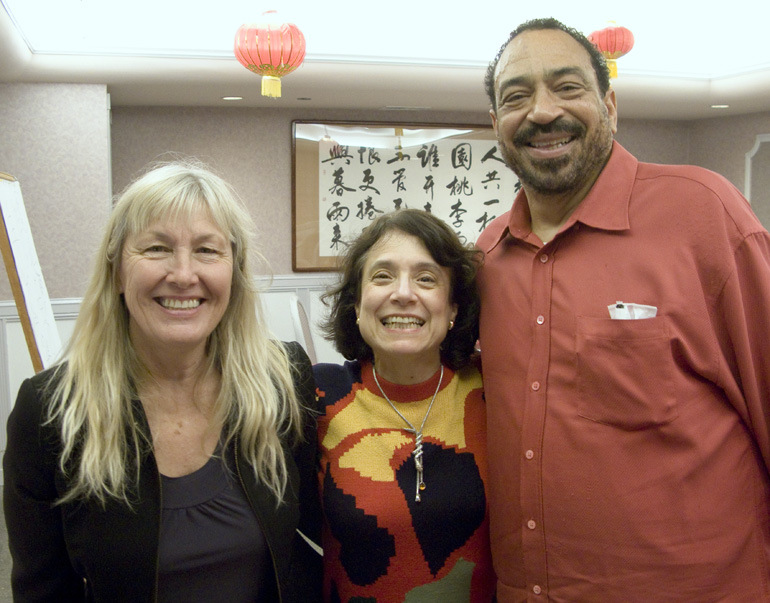
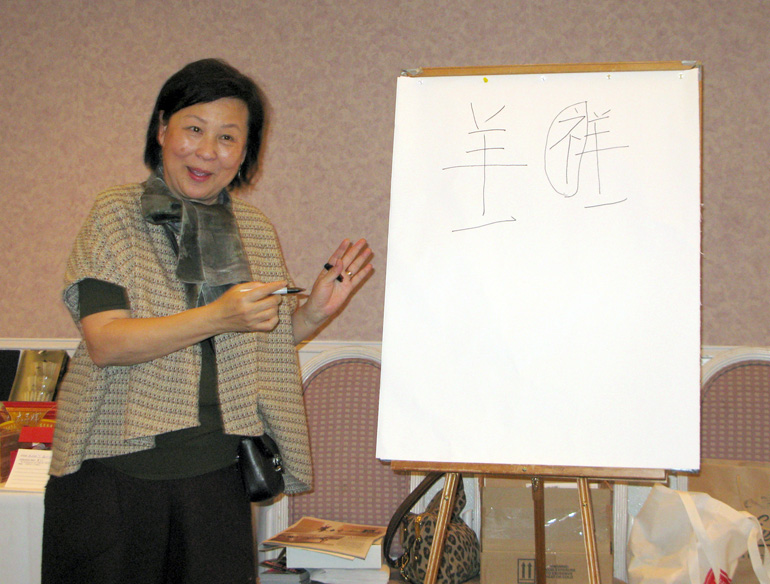
International Dance Festival-Silicon Valley: FESTIVAL ARTISTS
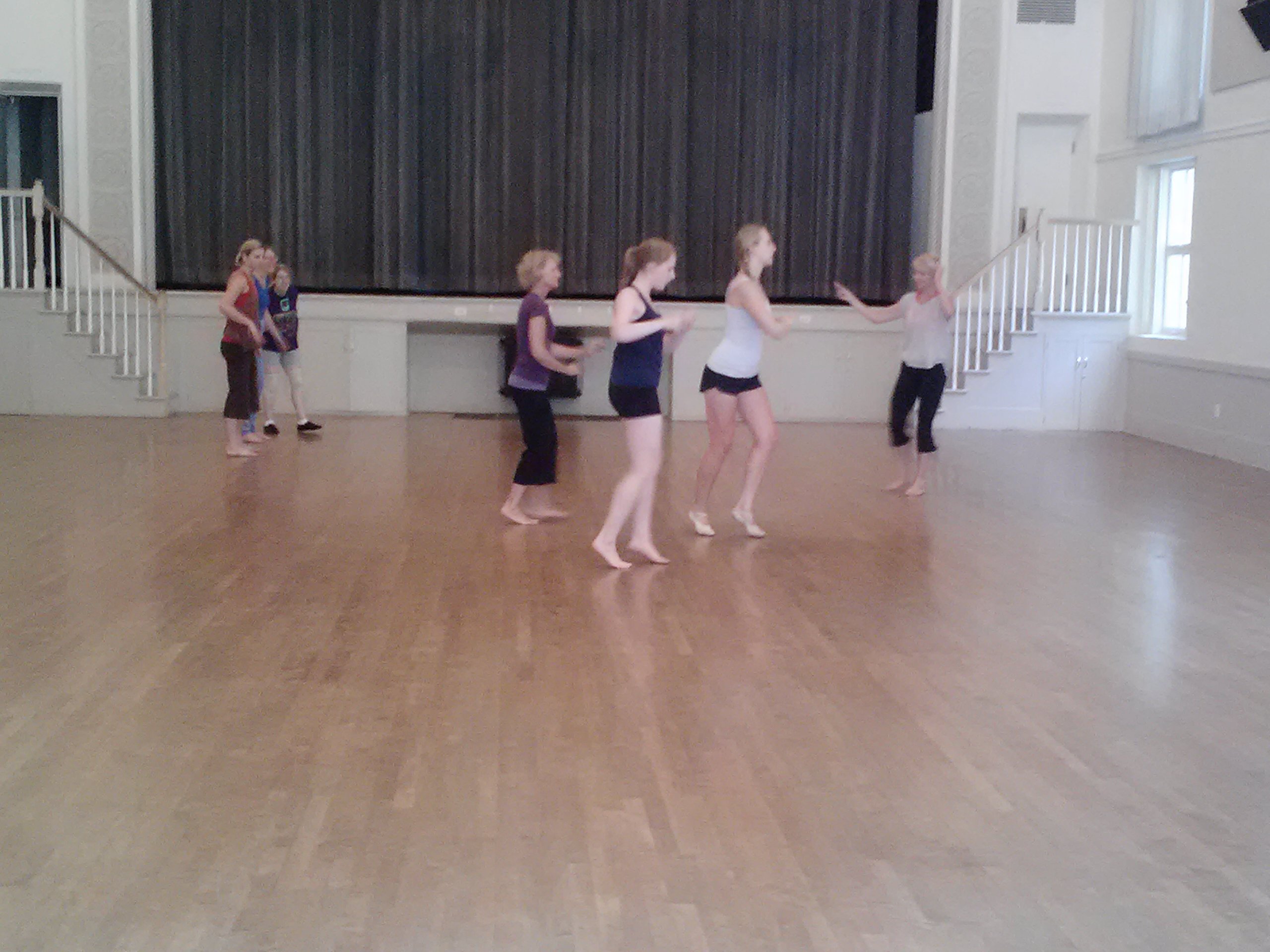
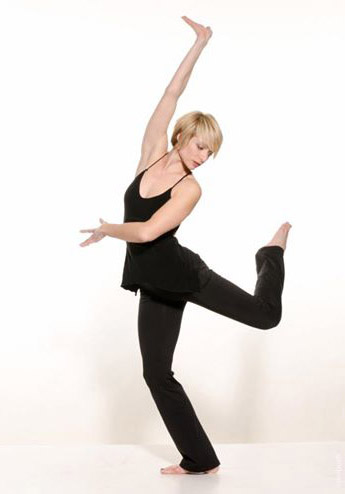 International Dance Festival-Silicon Valley offers an amazing array of dance artists who will perform and teach in Season III, August 11-17, 2014, at the Masonic Center, Mountain View, CA. Mon-Fri Workshop artists include Leslie Arbogast (San Diego,CA/East St. Louis, IL) teaching Katherine Dunham; Leanne Rinelli (Buffalo, NY) teaching Salsa; Leslie Friedman (San Francisco) teaching Contemporary. Each workshop, open to interm-adv. dancers, will teach technique and repertory which dancers may perform in the Festival Concert, Sun., Aug., 17. Full Day of Dance©, Aug. 16, open master classes for all–adv. dancers and non-dancers–offers Pilates mat taught by Amity Johnson, Tap taught by Audreyanne Covarrubias, Salsa taught by L. Rinelli, Dunham taught by L. Arbogast, Contemporary taught by L.Friedman, Electric Lines taught by Etta Walton, Manipuri taught by Dr. Sohini Ray. ALL OF THE TEACHING ARTISTS plus the FESTIVAL DANCERS will perform in the FESTIVAL CONCERT. Don’t miss these wonderful opportunities. For dancers: learn more, stretch your technique, acquire new skills, work with world-renown artists, meet other dancers. For dance lovers: take a class, try something new, get to know dance artists. For the whole community: learn more about dance, expand your appreciation of dance arts. Let the Festival begin! For registration information, watch this blog. Scholarships available.
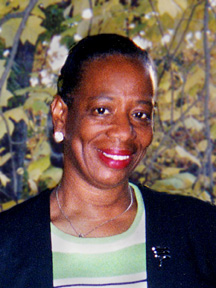
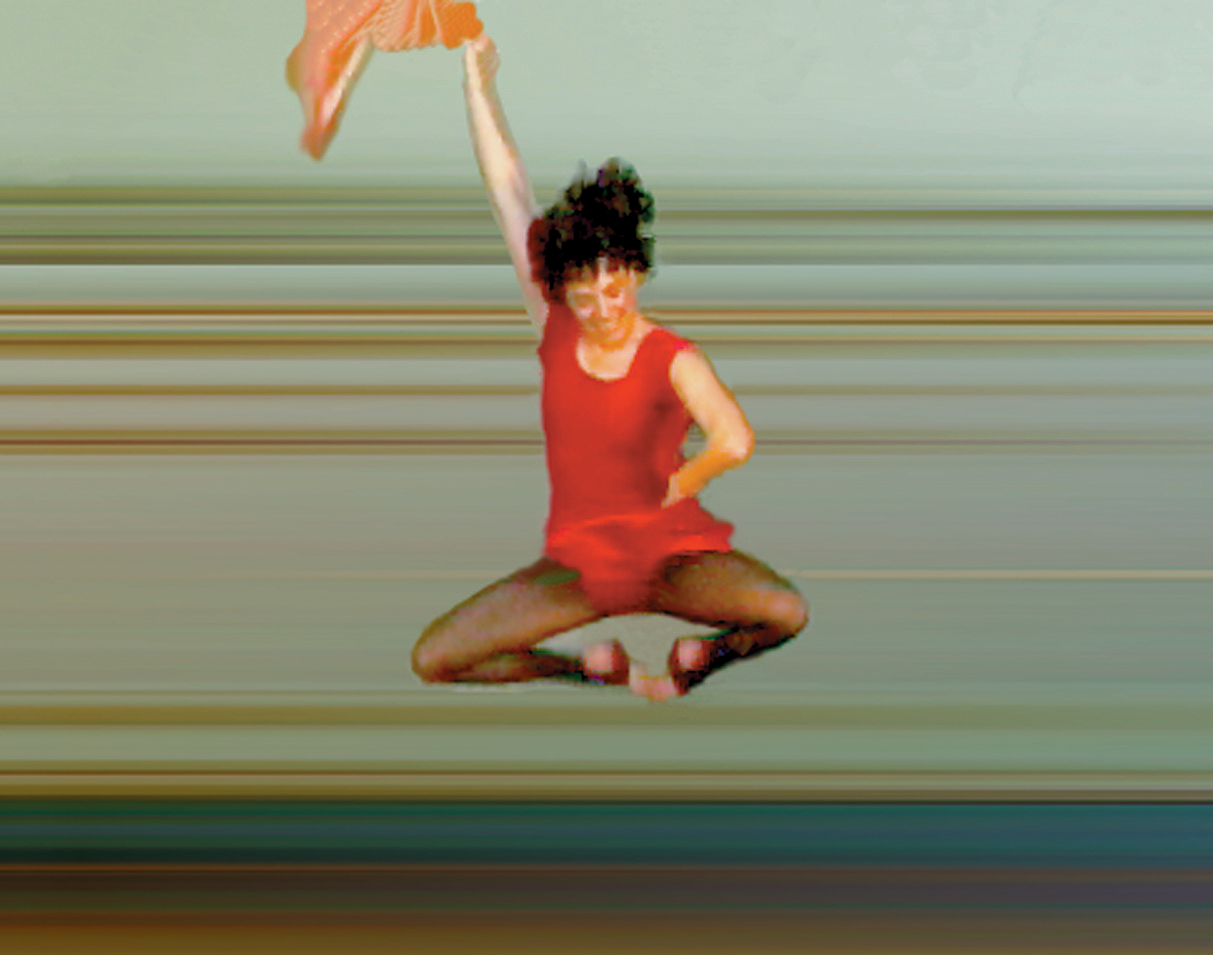
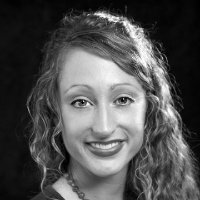
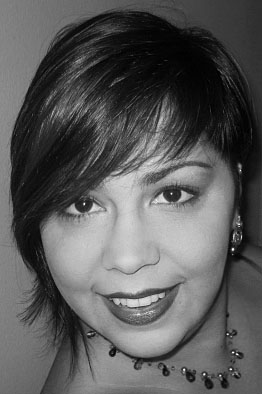
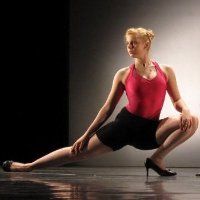 pictures: top: Leanne Rinelli, L to R, top to bottom: Sohini Ray, Leanne Rinelli teaching at Festival 2012, Etta Walton, Leslie Friedman, Leslie Arbogast, Audreyanne Covarrubias, Amity Johnson.
Manipuri Dance in International Dance Festival-Silicon Valley, 2014
The Lively Foundation is proud to announce that Dr. Sohini Ray will teach Manipuri dance in the International Dance Festival-Silicon Valley, Season 3. Dr. Ray is internationally recognized as a leading dancer/teacher/performer of Manipuri, one of the classical dance forms of India. Dr. Ray is a Lecturer at Santa Monica College, in southern California. She performs and teaches in India and in the US and received many awards for her accomplishments in Manipuri dance. She will teach an open master class as part of the Full Day of Dance©, Saturday, August 16, and also perform in the Festival Concert, in Mountain View, on August 17. Manipuri dance originates in the far northeast of India, in the Himalayas. Dr. Ray says that there, “dance is an integral part of life” and that “Manipuri is one of the few dance forms of India where the temple tradition is still alive.” Manipuri is rarely seen or taught in the US. IDF-SV is thrilled to offer this great experience to all dancers and all who are interested in dance. Follow this Livelyblog to get more information about Dr. Ray and all the extraordinary artists who will offer their training to Festival dancers this summer. Picture of Dr. Sohini Ray.
SALSA at The International Dance Festival-Silicon Valley!!!
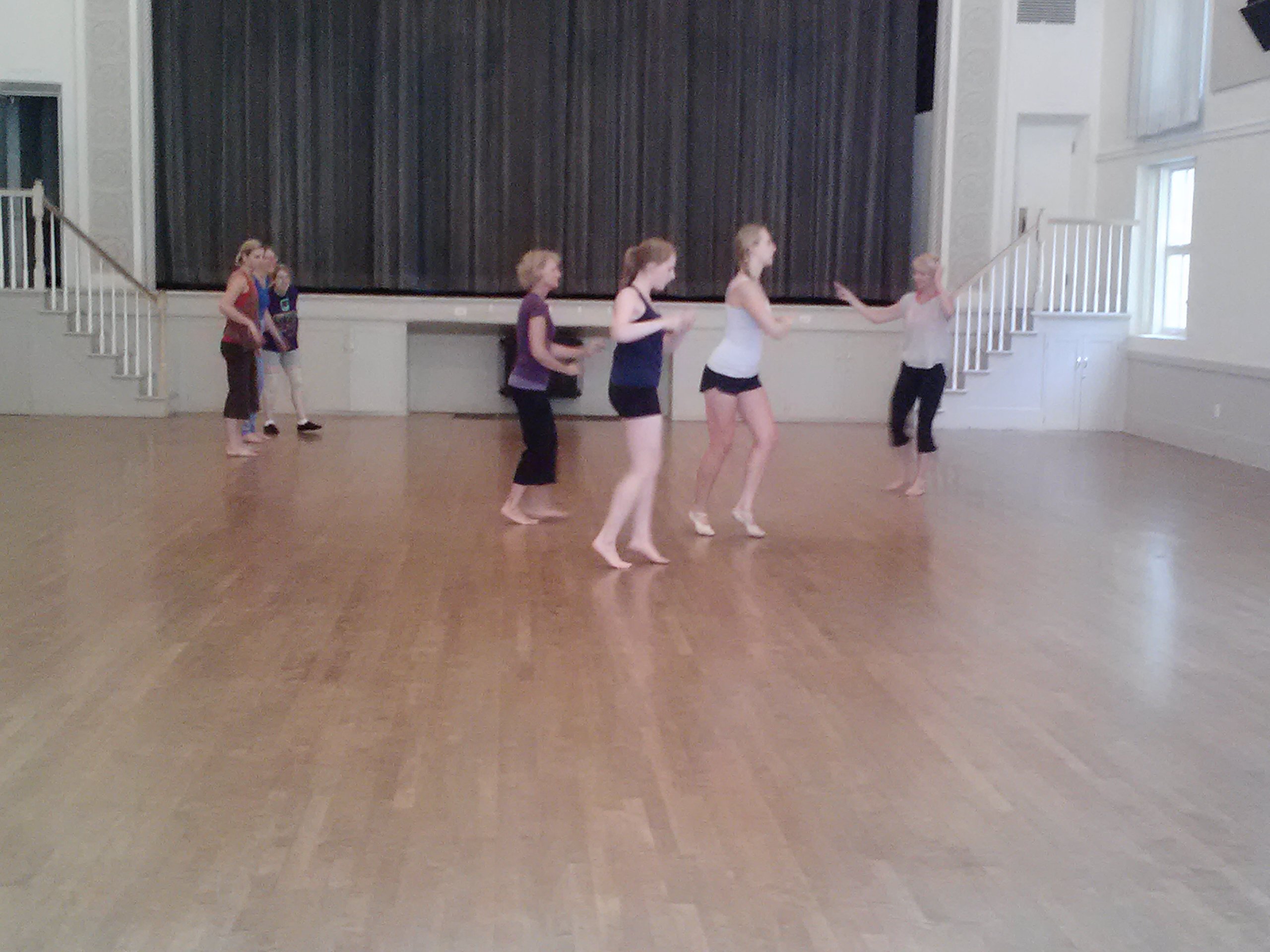
 It’s going to be a hot summer at The International Dance Festival-Silicon Valley! The Lively Foundation is thrilled to announce that LEANNE RINELLI, the hugely popular dancer/choreographer who taught in our first season, is returning to teach Salsa dancing this summer. Leanne will teach during the Mon-Friday workshop and offer an open master class as part of the Full Day of Dance©. She will teach her M-F workshop class a dance to perform in the Festival Concert. Dancers in her workshop will learn the exciting varieties of footwork in Salsa. The dance they learn will be a Salsa circle dance. The rhythm! The music! Can’t sit still thinking of it. The International Dance Festival-Silicon Valley, Season 3, will be August 11-17, 2014, in Mountain View, CA. Intermediate – Advanced dancers, age 18 and older, are invited to participate in the Monday-Friday workshop which includes classes in Dunham dancing, taught by Leslie Arbogast; Salsa, taught by Leanne Rinelli; and Contemporary plus Improv/Composition, taught by Leslie Friedman. Dancers in the M-F workshops may dance in the Festival Concert on the program with acclaimed professionals, including their teaching artists. The Full Day of Dance© on Saturday, Aug. 16, will include classes in Pilates, Tap, Contemporary, Dunham, Salsa, Manipuri Dance, and Etta Walton’s Electric Slide & other lines. Don’t miss this Festival! It is a unique and powerful resource for dancers who want to tune their technique and learn more about dancing. picture: Leanne Rinelli teaching, IDF-SV, 2012, and in performance. See more pictures of the Festival artists at facebook/The Lively Foundation and Facebook/International Dance Festival-Silicon Valley.
Dunham Dance Technique at the International Dance Festival-Silicon Valley
Wonderful news! Leslie Arbogast, an internationally recognized expert at teaching and performing Dunham dance will be a lead teacher at this summer’s Festival. She will teach Dunham technique and repertory to participants in the M-F workshops, teach an open master class at the Full Day of Dance© and also perform in the Festival Concert. We are thrilled to have her and Dunham dance as part of the Festival. “Dunham Technique is a fusion of Ballet, Modern, and cultural dances associated with the African Diaspora, created by dancer, choreographer, anthropologist, and humanitarian Katherine Dunham. Considered a “way of life”, Dunham Technique is not only dance, but also a theoretical and philosophical model that may be applied to all aspects of a dancer’s life,” wrote Ms Arbogast. Ms Arbogast studied in East St. Louis with master Dunham dancers and performed internationally. She has been a guest instructor of Dunham, Afro-Haitian, and Samba in Muscat, Oman, and Serra Grande, Brazil. She taught Dunham technique at the City Studio Dance Center, Dance Anthropology at the St. Louis Juvenile Detention Center, and Dance Therapy for those recovering from mental illness at the Independence Center, in St. Louis, for 8 years. She now lives and dances in San Diego where she is pursuing a graduate certificate in Native American Studies. We are thrilled to have her join in the Festival! Don’t miss this opportunity; the International Dance Festival-Silicon Valley, 8/11-17, Mountain View, CA.
Etta Walton Lights Up The Festival of Lights
Great News! Etta Walton will lead the audience in a dance as part of The Festival of Lights. You are not required to participate, but Etta’s energy is contagious. You will find it hard to sit still. No special training needed; just a sense of fun. She might teach the Electric Slide; she might choose something else. Whatever it is it will be fun to do. The Lively Foundation likes its audiences to feel they’ve done something special by attending our concerts. Get up and join the fun! The Festival of Lights will renew your own personal energy source. Get your tickets now!
LIVELY LIGHTS! Celebrate The Festival of Lights, Dec. 8, 2013
Put down that turkey leg! Stop checking that list! The Lively Foundation invites you to relax and enjoy the reasons for the season. The Festival of Lights presents songs, dances, and theater/storytelling that honor many of the holidays that come at the end of the calendar year, from Diwali to Lunar New Year. Special guest artists include elves, ribbon dancers, Jonathan Clark, acclaimed bass-baritone, Leslie Friedman internationally celebrated dancer/choreographer. Stop looking for parking and let your little light shine. The Festival of Lights will renew your personal energy source. “Inspiring, beautiful, fun, and funny,” cheered reviewer F.L. Isaacson. A favorite holiday treat for 15 years in San Francisco, The Festival of Lights now brightens the holidays in Mountain View. Complimentary refreshments. Appropriate for all ages. Accessible venue. Non-religious. Tickets: $12 general admission; $10 over 65 or under 10 years of age. For tickets:
Mail a check to The Lively Foundation, 550 Mountain View Ave., Mountain View, CA 94041-1941 OR go to the website http://www.livelyfoundation.org choose the Donate page; on the right of that page you will see the paypal logo. You can buy tickets through paypay using your credit card. Please be sure to (1) identify it as a donation so that we do not have to deduct paypal fees and (2) let us know through livelyfoundation@sbcglobal.net that you have bought tickets online. Thanks!!
Andras Schiff/Bach & Beethoven
 Andras Schiff performed the Goldberg Variations, BWV 988, by J.S. Bach, and Variations on a Waltz by Diabelli, Opus 120, by Beethoven, at San Francisco’s Davies Symphony Hall, October 13, 2013. Being at this performance was an enriching, exciting, mind opening experience. I would liken it to seeing Chartres Cathedral for the first time, trying to absorb its many parts as well as the overall impression of grandeur, its role in its community, its ability to inspire thoughts enlarging this world. This Livelyblog post is not a review in the sense of a critique. How could it be? First, the great pianist. He does not wave his arms around or fling them in the air and jump to let us know when he has finished. Mr. Schiff walks onstage, bows briefly, sits, and plays. When he has finished playing the lengthy, immensely challenging music, he does something wonderful. He allows his hands to remain on the keys until the smallest perceptible sound has disappeared and then lowers his hands to his lap. It is emblematic of his devotion to the music. The drama is more profound for his control. For this performance, the Hedgehogs were seated up high and able to look down directly upon Mr. Schiff’s hands as he played. This allowed a view of the patterns made by the music embodied by his hands. It was fascinating to see the geometry and design within the music. Some of the rhythm can be seen in the moving hands, but what struck one most was the design. It opened thoughts of the elegance of mathematical equations and the patterns in the universe such as one sees in a nautilus shell or the double helix of DNA. The program book offered Mr. Schiff’s “guided tour” through this work. He comments on the frequent hand crossing in Variations 5 and 8. In Var. 8, the physical act of playing the music adds to the impression that there are four or more voices when in fact there are 2. He advises that despite the charm of the melody, the listener must follow the bass line. He refers to the possibility of admiring a great cathedral without thinking of its foundation. In his notes, Mr. Schiff is aware that this approach to the music will raise the hackles of other musicians. Indeed, during the interval between Bach and Beethoven, one easily had the opportunity to hear a famous Bay Area musician criticize this focus on the bass to the detriment of the soprano voice. Well, a cat may look at a king. The Goldberg Variations opens with the beautiful Aria, a melody with many decorations. The bass line will be like the bread crumb path left by Hansel and Gretel. From then on, there are seemingly endless variations, each one completely different in its form, rhythm, and mood. Originally written for a harpsichord with two keyboards, the possibilities are stunningly complex and achieved by Bach in an expansion of human spirit. Mr. Schiff occasionally would look into the audience with a gentle smile as though acknowledging something funny in the music, or something coming that would turn the development of the whole piece. He did this as what he calls the “colossal build up” began in Variation 28 with the trills “like a concert of birds.” The expansive celebration comes in Variation 30. It has humor and a great heart. After the big sound of Variation 30, the Aria returns. It sounded different; it is the listener who has changed. Bach has taken the listener through so much and somehow, with no specific story to tell, one knows a peaceful, happy ending. There are structural, musical connections between the works by Bach and Beethoven. While Bach was almost unknown in Vienna in Beethoven’s time, Beethoven’s friend, Baron Gottfried von Swieten had a library of Bach’s manuscripts which Beethoven studied. Bach seldom used the variation format for his work; Beethoven worked in it often. In the Diabelli Variations one may join in an exploration of Beethoven’s inventions, fresh springs of structure, rhythm, earthy and celestial revels and revelations. One might search in geology and geography to find comparisons to what Beethoven lets us hear. There are dark caverns with glowing crystals, vast canyons with depths delineated for the eye only by modulations of color, placid oceanic expansions belying a terrific force about to be released. There is the rough dance of cheerful country-folk whose humor will be replaced by the sophistication of a Baroque court dance or the gravity of the piano’s own personality as an instrument. The enormous work challenges pianist and audience to experience the complexity possible in human creation as well as the roller coaster ride of human emotion. It ends with a surprise. The waltz from which the variations grew is transformed. After thirty-two variations, the thirty-third rises up. It is gentle and complete. Simplicity and purity are in the C major chord with which it ends. It needs no elaboration or emphasis. It is the answer the artist won by traveling through many worlds. Listening to Andras Schiff playing these works offers an opportunity to connect to the grandest excursions into human being that may be found. When he is playing near you, go.
 Photo of Andras Schiff at top of post by Birgitta Kowsky.