Tag Archives: Antonin Dvorak

DVORAK & BRAHMS: A PERFECT NIGHT

DAVIES SYMPHONY HALL, San Francisco, Friday, March 13, 2026 — Dvorak’s Cello Concerto in B minor, Opus 104. Brahms’ Symphony No. 2, in D major, Opus 73. The two great compositions were beautiful, totally original, complex. The works were performed by Daniele Rustioni, conductor, and cellist Daniel Mutter-Schott.  Rustioni conducts with every ounce of strength, mentality, and love for all of the music. Mutter-Schott masters this gorgeous Cello Concerto and that Concerto masters the cellist making his wonderful tone, his intellect trained on the music, and deep understanding of the complexity of Dvorak’s work.

The San Francisco Symphony played the Cello Concerto with great heart. They followed Rustioni as he jumped, crouched over to look at a musician, reached out to the clarinets and then brought out the horn. It was something special to watch and listen to at the same time
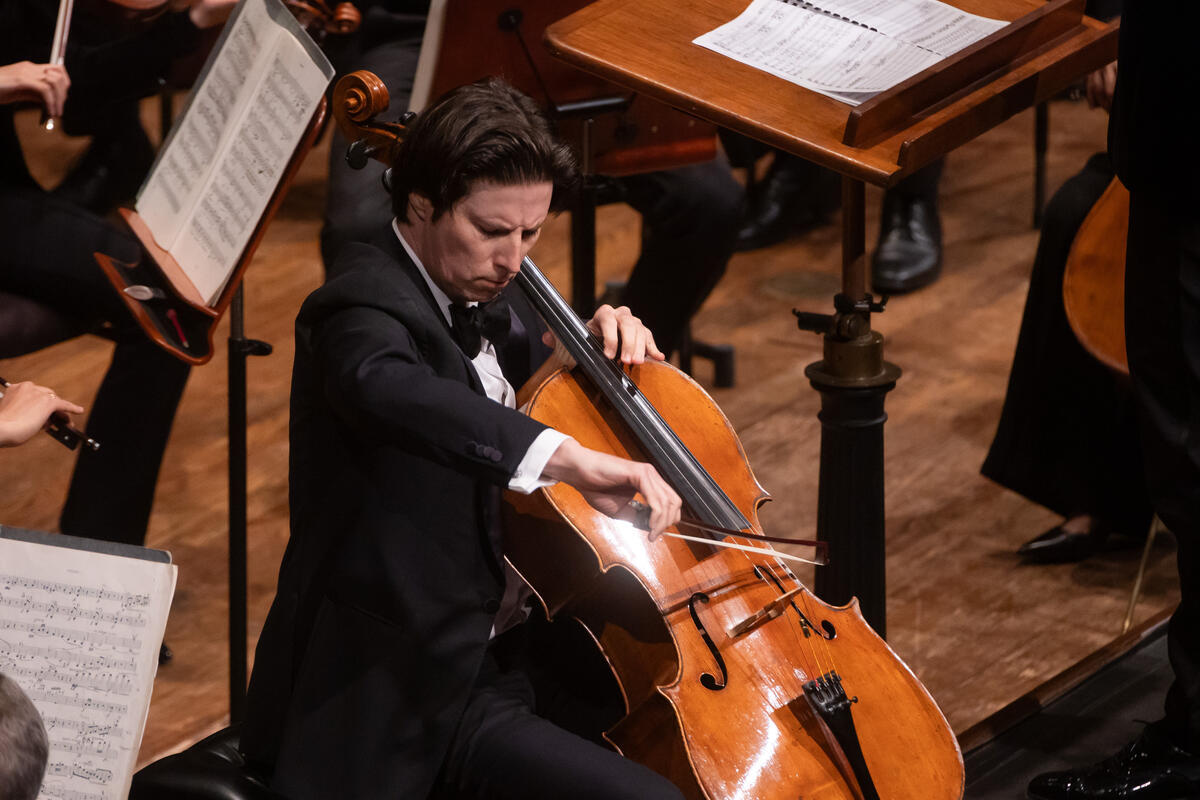
Daniel Muller-Schott

Both the Cello Concerto and Brahms’ Symphony No.2 included songs that the composers worked into the larger. In the Concerto, Dvorak used his song, Leave Me Alone (originally in Czech), Opus 82, no. 1. It was Josefina’s, his sister’s in law favorite song. During  the time Dvorak was completing the Cello Concerto, he learned that Josefina was very ill. Once he returned to Prague from America, she passed away. That emotional trial led him to change the the third movement, Finale: Allegro moderato. The Cello now also changes his mood to a more inward look. There are elements of folk-music and yet not any wildness. The cello becomes very quiet until is is silent. A forceful crescendo is taken up by the entire orchestra. And it is gone. Dvorak had loved Josefina but married her younger sister.

(Leave Me Alone: “Leave me alone with my dreams, do not disturb the rapture in my heart!…Leave me alone!…Do not ask about the magic that fills my, you cannot comprehend the bliss his love has made me feel…Leave me alone with my burden of passionate torment, of blazing ecstasy.”)

Brahms wrote the second symphony in a few months. He certainly composed it without the amount of struggle he lived with for his first. The Symphony No. 2 has been called “sunny” or pastoral; actually, it strikes me in a different way. The first movements, Allegro non troppo and then Adagio non troppo, felt stormy, threatening. Brahms wrote, “I would have to confess that I am a very melancholy person and that dark wings are constantly rustling above me.” I am aware that Brahms did not write music that makes a picture, vision, or story. However, the music can affect the listener. Brahms cannot get away from himself.Daniele Rustioni, Conductor
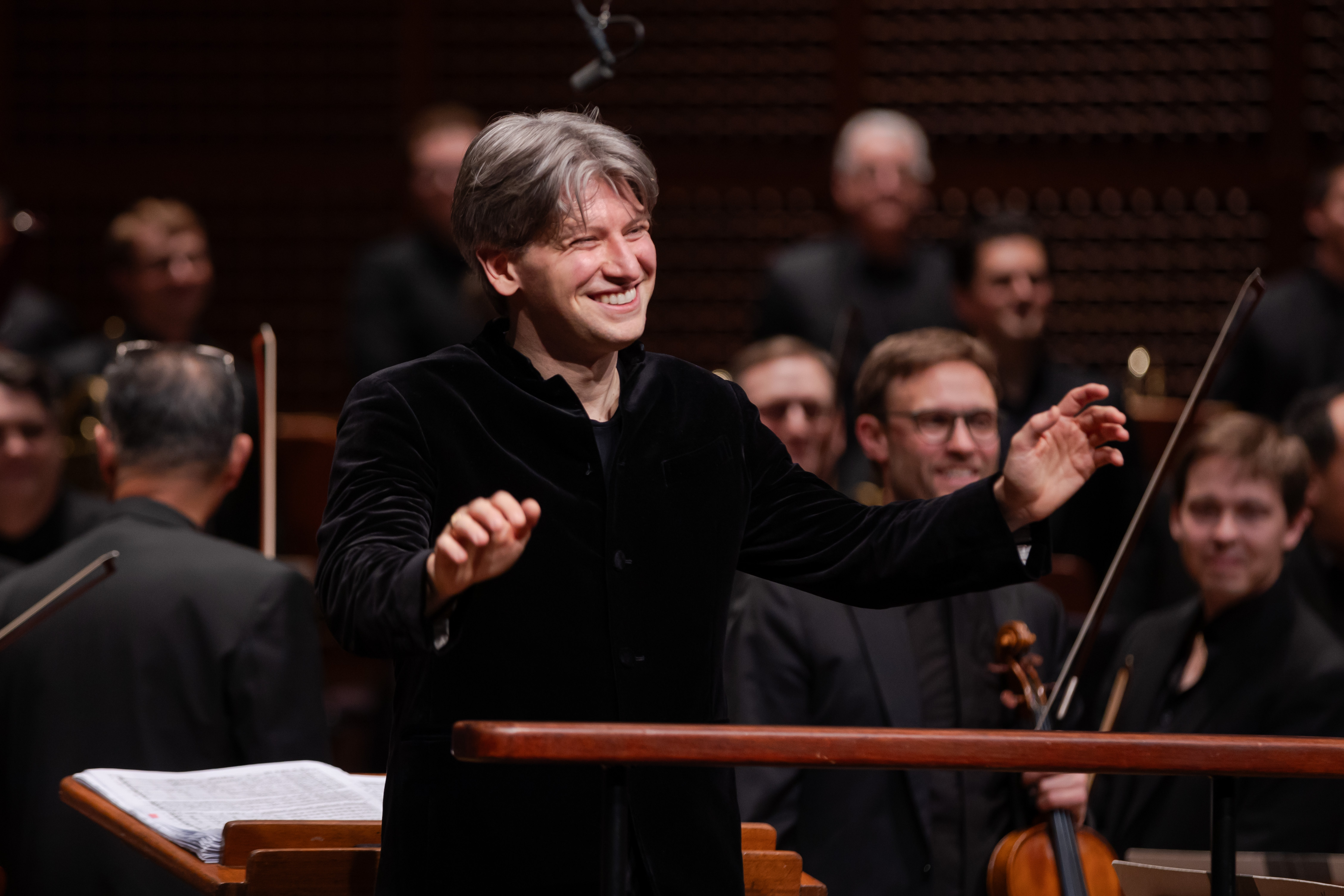
Symphony No. 2 in D major, Opus 73, is a miracle from Brahms. The opening movements are almost frightening and then Brahms gives us the sunshine.

His song, Wiegenlied (Lullaby) Opus 49, no.4, which was known to me as Brahms’ Lullaby when I was a very young person, is distributed in bits or pieces or given different harmony. Near the end of the movement, the Allegro non troppo soothes the music and now might briefly calm an adult. The second movement, Adagio non troppo struck me as Brahms’ most inward gaze. The third movement, Allegretto grazioso, plays as though on a school field, running and occasionally jumping. The orchestra has moved away from horns, violas, bassoons to the oboe, violins, woodwinds. We are moving out of our dark thoughts which took over for two movements and bits. The finale, Allegro con spirito, starts with the strings playing quietly, a contrapuntal harmony, the flute takes the stage, and the full orchestra and the brass welcome a happy day.

Brahms’ Lullaby

Lullaby, and good night, with pink roses bedight
With lilies o’er spread, is my baby’s sweet head
Lay thee down now, and rest, may thy slumber be blessed!
Lullaby, and good night, your mother’s delight
Shining angels beside my darling abide
Soft and warm is your bed, close your eyes and rest your head
Sleepyhead, close your eyes. mother’s right here beside you
I’ll protect you from harm, you will wake in my arms
Guardian angels are near, so sleep on, with no fear
Enjoy more lullabies to soothe the soul.

Photos by Brittany Hosea-Small, courtesy of San Francisco Symphony
 

James Conlon & S F Symphony: Triumphant Concert

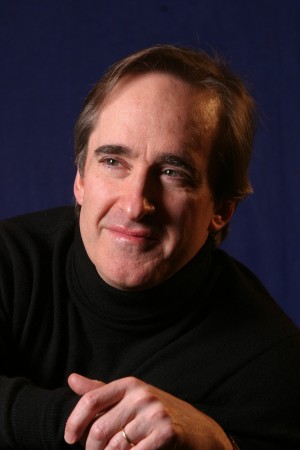
jamesconlon_photo_by_chester_higgins__largeJames Conlon led the San Francisco Symphony in a bracing, thought provoking, thoroughly satisfying performance, June 11, at Davies Symphony Hall. The varied program included Sinfonia da Requiem, Op.20 (1940), by Benjamin Britten; Piano Concerto No. 22 in E-flat Maj., K. 482 (1785), by Mozart; Symphony No.8 in G maj., Op. 88 (1889), by Antonin Dvorak. In addition to great works from the 18th, 19th, and 20th centuries, the selections offered a range of emotions and connections to human experience. The SF Symphony seemed completely in synch with Maestro Conlon. Bravo Bravo Bravo–one for each performance. And Bravo times two to the SFS and James Conlon.

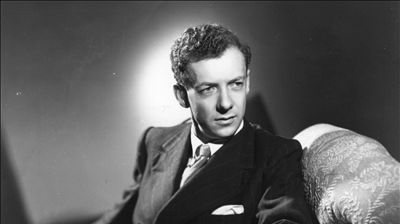
BBrittenBefore beginning the Sinfonia da Requiem, Maestro Conlon addressed the audience to explain the origin of the composition. The Japanese government sought a European composer to create music for the celebration of the Imperial family’s 2600th anniversary as the ruling dynasty. The British Council, cultural arm of British diplomacy, approached Britten. Although Britten had been assured that he need not write nationalistic bombast, the Japanese rejected the Sinfonia. Britten had come to the US in 1939, the fateful, desperate year. Though far away, Britten was deeply distressed by of war across Europe and Asia. James Conlon concluded his remarks by observing that the Sinfonia was a requiem for the culture that was destroyed by the war. His voice caught a bit as he said this; it is plain that Conlon felt deeply the horrors of the war and the permanence of loss.  This is a great, surprising work in three movements, each named for Christian liturgy. Lacrymosa, the first, comes from a medieval hymn describing the Day of Judgment: “Lamentable is that day on which guilty man shall arise from the ashes to be judged.” There is nothing comforting about it; it has a driving, percussive force and cries from a saxophone. Without pause, the second movement, Dies irae begins. It is an irregular dance, fast and harsh. One might remember depictions of the dance of death in medieval art, but, sadly, it is not necessary to search art history to find meaningful connections. The final movement’s title, Requiem aeternam, comes from the Mass for the Dead: “Grant them eternal rest, O Lord, and let everlasting light shine upon them.” Phrases for flutes and horns alternate; chords from harps, clarinets and strings build fervently. All grows quieter and fades to eternity.

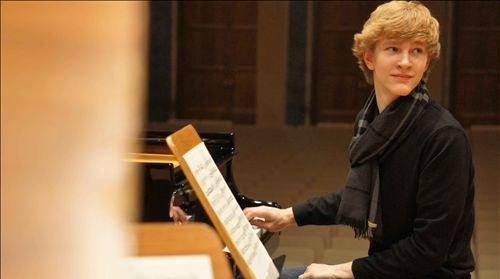
JanLisieckiJan Lisiecki was the soloist for Mozart’s Concerto. A twenty-one year old phenomenon, his mastery of the lovely Mozart work was secure and admirable. The concerto is notable, in addition to the brilliance of the piano, for the clarinets which Mozart included for the first time in a concerto. This work has everything that delights in a Mozart concerto: complexity of design and also complexity of feeling. While there are dashing themes and splendid allegros, it poses formal, spritely 18th century dances along with the sweetness of life in music.

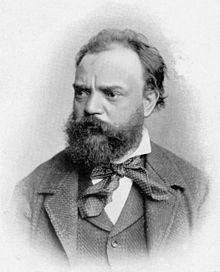
220px-DvorakClosing the concert with Dvorak’s 8th Symphony was a gesture of affirmation. It is a compact work which gains power through compression. There are joyful, happy sounds of birds, dance rhythms, music which seems to pour directly from nature. Yet, despite the cheer, there is a sigh of awareness that this beauty is fragile. As the last movement, Allegro non troppo, rounds through music of our natural world, the listener senses a smile from Dvorak. There is strife and sadness, but we still enjoy the birdsong. The Hedgehog is grateful to James M. Keller for this quotation from Czech conductor, Rafael Kubelk, when rehearsing this Symphony: “Gentlemen, in Bohemia the trumpets never call to battle–they always call to the dance!”   James Conlon is Music Director of the Los Angeles Opera, Principal Conductor of the RAI National Symphony Orchestra, Torino, Italy; he has also been Music Director of the Ravinia Festival and Principal Conductor of the Paris National Opera. He first performed with the SFS, 1978. FOR MORE HEDGEHOG HIGHLIGHTS on Mozart, please see April 26, 2016, Hilary Hahn, violinist, playing Mozart’s Sonata in G maj. K379 (373 a), and Oct. 4, 2015, Andras Schiff, pianist, playing Mozart’s Sonata in D maj. for Piano, K.576. Pictures, from top: James Conlon, Jan Lisiecki, Antonin Dvorak.