Author Archives: Leslie

HEROIC, BELOVED: Lively’s Concerts for Women’s History

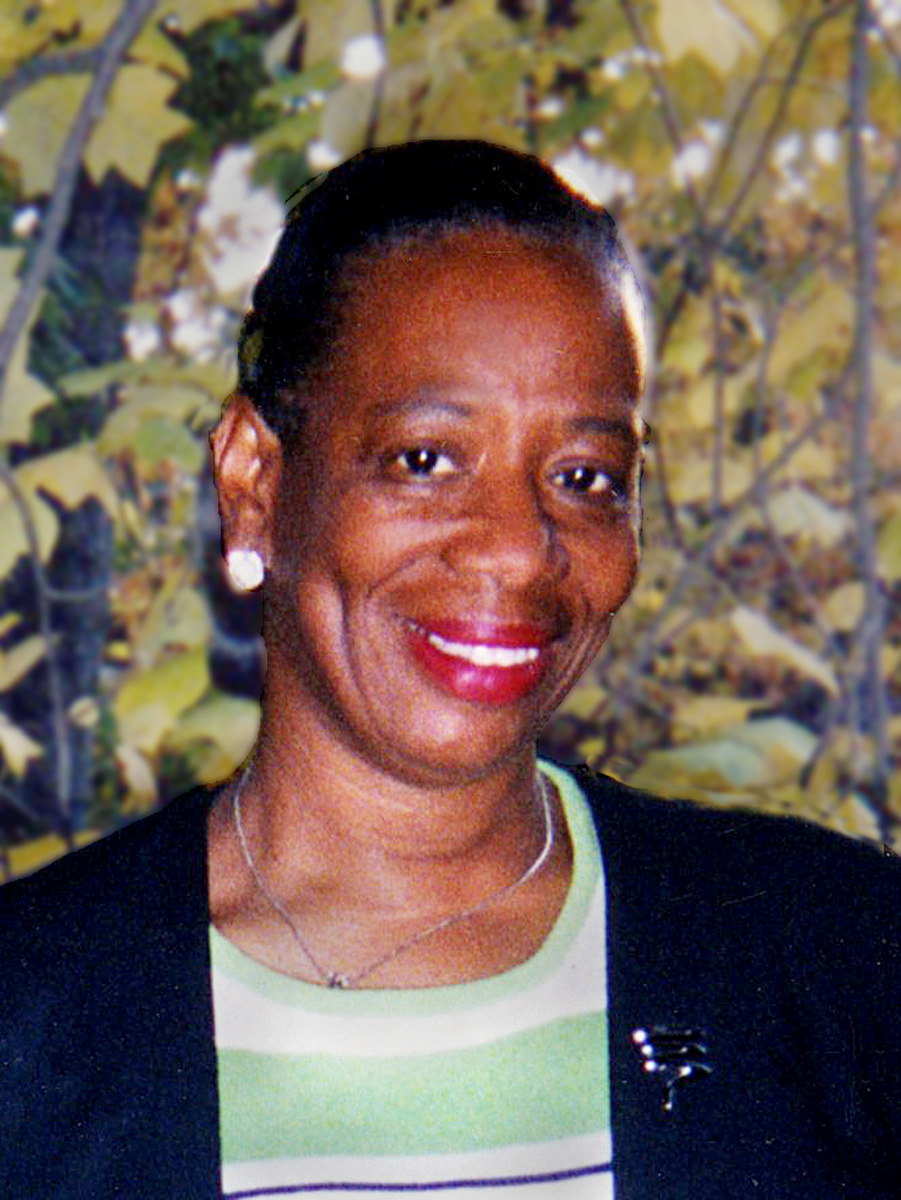
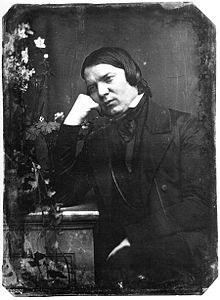
Heroic leslieThe first one was in March, 1996. HEROIC, BELOVED, a concert of dances about real, historic women, or set to music by women, with lyrics by women, or ideas about women. Every Spring season, 1996 – 2010, The Lively Foundation presented the concerts with new works, guest artists, at home or on tour. From the beginning, it was the FIRST and the ONLY concert for Women’s History Month AND the FIRST and the ONLY production by an arts group to aid breast cancer patients.

In San Francisco, the concerts included choreography by Leslie Friedman for company dancers with Leslie and solo performances by Leslie. On tour through the US, the concerts were all solo. Performances presented by universities and civic organizations appeared in California, Washington state, Iowa, multiple times in various cities of Ohio, Kentucky, Tennessee. Leslie’s dances included a dance about Harriet Tubman set to a song by the Oakland based group, Higher Ground; a dance with music by Edward Elgar written for a poem by Elizabeth Barrett Browning; music by Jon Deak for writing by Willa Cather; a song by Tina Turner dedicated to dancer Mary Craighill; Embrace Tiger, Return Rhinemaid to Mountain, a satirical dance for a Cole Porter song; a Brahms violin sonata for Clara, a dance about Clara Schumann; the velvety vocal of Miss Helen Humes’ ballad, Every Now and Then; the rousing spiritual, Come Down, Angels, written by Undine Smith Moore. And more: The Bats of Haworth, for example, a trio with music by Chopin and text from Charlotte Bronte.

“It amazed me when I got a call from some other dancers wanting to know who my funders were because they wanted to do a program like this, too!” recalls Leslie. “My funders?! I did the program because it needed to be done.
PDillardMy first guest artist, opera singer Pamela Dillard, was beautiful. She sang Come Down, Angels with me dancing, too. She said she always ran in the Avon event in San Francisco and was delighted to help. At one performance, Gloria Guth Pasta, my dear friend from graduate school, came with her cancer support group. That was a moment to remember always. That was my ‘funding.'”

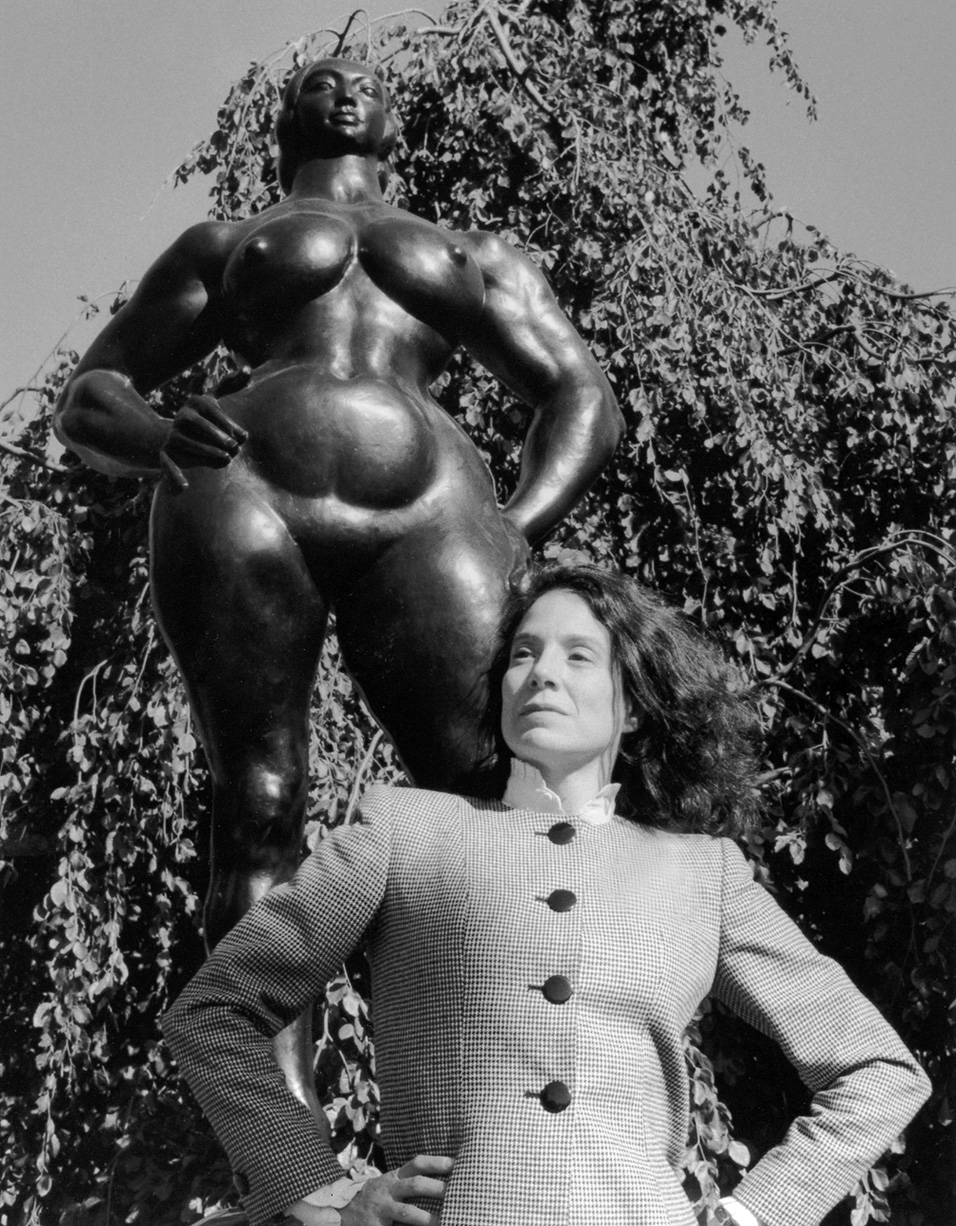
Picture: top:Leslie Friedman, Washington, D.C.; photo by Jonathan Clark; Pamela Dillard
 

Zukerman Plays Elgar & Mozart with SF Symphony

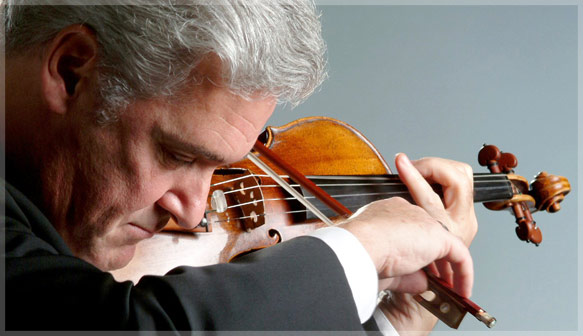
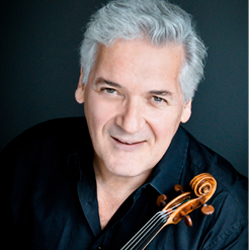
PZukermanPinchas Zukerman conducted and played violin with the San Francisco Symphony in a beautiful performance of Elgar’s Serenade in E minor for Strings, Opus 20 (written in 1893), Mozart’s Symphony No. 39 in E flat major, K.543 (1788), and Mozart’s Haffner Serenade, K. 250 (248b) (1776), Sunday, February 14, 2016. It was the right concert for a day of love. Maestro Zukerman plays with purity and sweetness. It’s not the sweetness of the candy Valentine, but of the true heart of music.

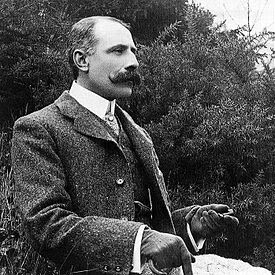
275px-Edward_ElgarSir Edward Elgar’s Serenade is said to be his “breakthrough” composition. He came from a poor family and taught himself how to create with his musical gifts. In the Serenade one may sense the depth of feeling expressed with gentle power and understanding in his later, better known works, but that might be just because we do know those other works. The Serenade was turned down by the publisher who later succeeded by publishing those later works. Concertmaster Alexander Barantschik had wonderful moments with his violin the solo voice. The second movement, Larghetto, is an awakening; gentle as a cloud, the music floats us up to the perfect balance in the Allegretto finale. Bravo to Barantschik, the Symphony and Maestro Zukerman for handling this Serenade with unified, careful energy that let the music live.

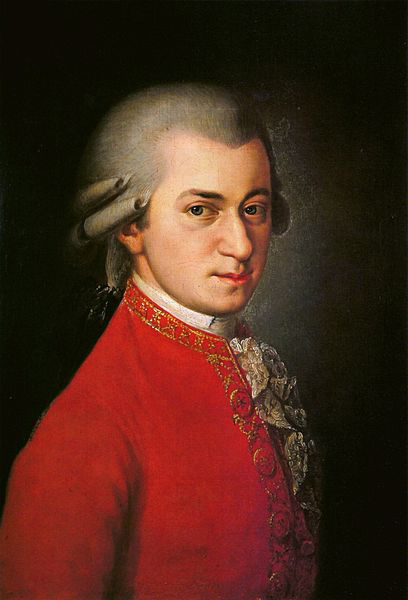
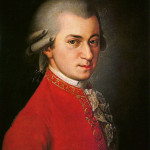
mozart-kraft-1819Mozart’s Symphony No.39 is one of his last three symphonies. No. 41, “Jupiter,” was the final one. While this masterpiece fascinates us with its complexity and beauty, Mozart seems to have written it and the other two in just a bit more than two months. His biography shows that at the same time he was composing additional music, teaching, and taking care of his wife who was very ill. Oh, and he moved apartments, too. And he was desperate for money. These circumstances make one wonder at the super human capacities of this composer. Great music leaped from his brow like Athena from that of Zeus. It is possible that Mozart never heard Symphony No. 39 performed. We who are Mozart’s beneficiaries  must take the opportunity to hear it. To hear it played so well as the SF Symphony and Maestro Zukerman played it is to celebrate the variety of mood, rhythm, structures possible for a great human to create. Full of beauty, it is playful, serious, witty, lyrical, and full of dance. The Minuet of the third movement sounds like “rough mechanicals” in Arden Forest. It is all there. Look for it and enjoy every note.

Zuckerman-P_583x336Mozart created the Haffner Serenade for the wedding of Marie Elisabeth Haffner, daughter and sister of his family friends. He wrote more than an entertainment or “occasional” piece by composing eight movements. In this performance, the SFS and Pinchas Zukerman, violin soloist and conductor, performed four. It was a stunning, brilliant performance. Maestro Zukerman wastes no time; when he conducted the Elgar and Symphony No.39, he walked onto the platform and immediately began the music. As violin soloist, he also turns all his attention to the music. That is what he is there for. He is handsome, brilliant, quietly charismatic; the audience was learning from him about music throughout the program. When it ended, the entire house refused to believe it was over. They had been drawn into his way of presenting great music and did not want it to end. After at least six curtain calls, he asked the audience to sing along as he played Brahms’ Lullaby. Everyone sang. Pinchas Zukerman said, “until next time,” and was gone. No one rushed out. Everyone wanted to wrap themselves in the music again. The Haffner Serenade is available with Pinchas Zukerman conducting the LA Philharmonic on Sony Classical. His recording of Brahms’s Symphony No. 4 and Double Concerto with the National Arts Centre Orchestra of Ottawa and ‘cellist Amanda Forsyth appears this year. MORE MOZART: SFS Conductor Laureate, Herbert Blomstedt conducts an all Mozart program with the SFSymphony, March 2-5, 2016.


Choreo-cubator© Showcase: Creative Adventures

Join us February 28, 6 p.m. for the Choreo-cubator© Showcase. Three participants in the choreography workshop will perform their new work. Exchange ideas with the choreographers. Explore their creative journeys with them. At the Mountain View Masonic Center, 890 Church St., Mountain View, CA 94041. Admission is free; donation appreciated to help us continue to offer opportunities to artists to develop their work and themselves. Refreshments are free. A congenial and fascinating experience awaits you. Just after the last class of the Full Day of Dance©. Here is Rachana Reddy, a lovely dancer of the Kuchipudi tradition of Indian classical dance. She is using traditional movements in new choreography. Wonderful. Rachana_1

Pierre Bonnard at Legion of Honor, San Francisco

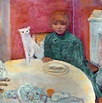
BonnardPhotoPainting Arcadia is the title of a landmark exhibition of works by French artist, Pierre Bonnard, who lived 1867-1947. The 75 works on display make a gorgeous show. It will be at the Legion of Honor, San Francisco, until May 15. Hedgehog readers should go very soon so that they will have time to go back and see it all again. Oddly, there has been controversy about the title. Should it really be called “Arcardia?” Aren’t there dark notes mixed in with all the sunshine? If he is a great artist, surely he could not be so superficial as to be painting Arcadia? This viewer comes down on the side of the correctness of the title. Arcadia was a mountainous region of ancient Greece whose populace was known for being contented in their simple, pastoral life. The word has come to mean anyplace, real or fictional that offers a peaceful life. Right, it’s not Painting Olympus; we are looking at beauty in ordinary, middle class life. The world near Bonnard was filled with women, croquet players, cats, actually quite a lot of cats. It is a world of humans and so could not possibly be without its dark notes, but they are dark notes within a sunlit world.

PBonnardYoungHandsome and intelligent, Bonnard could have done well as a lawyer and satisfied his father. He painted instead. In the early years of his career, he identified as part of the self-named Nabis. Influenced by Paul Gauguin, the Nabis found their subjects in everyday life and favored brilliant color. Their title, Nabi, is Hebrew for Prophet. Bonnard was deeply interested in the Japanese prints which made their first appearances in France while he was beginning his work. Their impact shows up in his flattened perspective and planes of color. The cats reflect, if not an influence of the Japanese artists, then agreement on interesting shapes and movement.                                                           TheWhiteCat1894Cats and dogs, indulged with treats and taken along on picnics, were an essential part of the life represented by Bonnard and also offered extraordinary liveliness and character to his depiction of breakfast tables and living rooms. His interest in these settings is for their resources as design not for a sociological study. A woman’s blouse matches the design of the wall paper behind her. Part of the whole picture could have the impact of an abstract design even though there are recognizable individuals, chocolate, biscuits.

Woman&Cat1912The overall impression from this writer’s first visit? Color. Bonnard’s world either was full of intense yellows, pink, and the deep, heavy green of summer, or this was the part of his world he chose to celebrate and honor forever. It is a world of white cats stretching on breakfast tables, choosing to pose in the exact spot where their ideal, feline forms will be highlighted by the well lit back drop of the mistress’s checked blouse. The painter’s lover relaxes on a bed, comfortable in her nude body and happily playing with her cats on the bed. A man, we assume Bonnard, stands to one side. Also nude, he is separated from woman, bed, and the happy encounter with the cats by a curtain. The onlooker does not know if he is arriving or departing. His strong vertical self balances the design with the roughly circular pattern made by the woman and the cats. We are allowed to look onto this intimate moment. The man is slightly in a shadow; the woman, looking downward at the cats, is in a warm though not bright light.

PBonnardOlderYes, this is Arcadia. Our real world, so full of light, the color yellow, the leafy summer green, dogs, cats, and time for love; what else could it be. Misia plays the piano. Madame lets her cat lick the chocolate off her spoon. Each breath a moment in what may as well be paradise. From June, 2010 to Jan., 2011, San Francisco hosted two extensive, grand shows of French Impressionist art on loan from the Musee d’Orsay, Paris. A surprise star of the show was the collection of works by Pierre Bonnard. The current exhibition offers a unique opportunity to see Bonnard through his life time works. Bay Area museum goers and the many visitors from everywhere else owe Diane B. Wilsey, President of the Board of Trustees, and the late John Buchanan, former Director, a heartfelt, “Merci millefois.” pictures from top: photo of P. Bonnard; The White Cat, 1894; Self-Portrait, young; Woman and Cat, 1912; Self-Portrait, older.

CLASS SCHEDULE for WWW.2.0: Feb. 28!

HERE IT IS: Your key to a day of dance. This is the class schedule & price list for the Winter Full Day of Dance. It’s coming soon!!! Register now for a wonderful dancing experience. Share the news with your dancer friends and with the friends who think they can’t dance! Everyone has a great time from pros to beginners. REMEMBER: price per class reduces with each added class.

SCHEDULE:  Doors open at 11 a.m. Sunday, Feb. 28

TAP, 11:30 A.M. – 12:30 P.M.; PILATES MAT, 12:45-1:45; CONTEMPORARY, 2:00-3:00; LINE DANCING, 3:15-4:15; IMPROVISATION, 4:30-5:30.

PRICES:  BEST DEAL & MOST FUN: TAKE THEM ALL! 

Single class, $20; two classes, $32; three classes, $42; four classes, $48; five classes, $50

SPECIAL OFFER: Attend the Choreo-cubator@ Showcase performance for FREE and watch the new works. Your ticket to the Showcase is your receipt for Winter Full Day classes. Enjoy the dances and the FREE refreshments!


REGISTER NOW FOR WWW.2.0

Time to register for Choreo-cubator© and Winter Full Day of Dance©. It’s simple: send an email to livelyfoundation@sbcglobal.net, let us know what programs you want to do, Choreo-cubator©, the Winter Full Day of Dance©, BOTH of them or one. Give us your name, email address, phone #, the name and contact information of someone we would contact if we cannot reach you or if there is an emergency. For Winter Full Day of Dance© also let us know which classes you want to take. Here’s a hint: it is only $10 per class if you take all five. An exceptional deal!!!!! Take all five: more fun, more dance, less money. Check out the listing below for more details of the classes. PLEASE NOTE:  IF YOU WANT TO DO THE CHOREO-CUBATOR© BUT THINK YOU WILL MISS THE FIRST SESSION, YOU CAN STILL ATTEND. DON’T MISS THIS GREAT OPPORTUNITY.

Wonderful Winter Workshop: WWW. 2.0 Begins Soon!

Join the dance! The second Wonderful Winter Workshop (www.2.0) offers you opportunities to dance. Learn something new, dance styles that you love, make your own dance. Shake El Nino out of your spine and remember that dance can be fun! There are TWO parts to www.2.0; participate in one or both. Bring your dancer buddies and friends who never dance. It’s time to dance!

Audreyanne Delgado-CovarrubiasBeingACat

The Choreo-cubator© Invites You to Make a Dance & Dance It!                      Polish a work in progress or start something new. Then, perform it. ALL styles welcome. Explore. Experiment. Exchange supportive feedback with other explorers. There are four working sessions: 6-7:15 p.m., Feb. 4, Feb. 11, Feb. 23, Feb. 25. Your Showcase performance is 6:-7:15 p.m., Feb. 28. All working sessions & the Showcase performance will be at the Mountain View Masonic Center, 890 Church Street, downtown Mountain View. Fee includes working sessions and performance: $60.00.

Etta Walton

Winter Full Day of Dance©                                                     Sunday, Feb. 28, five wonderful classes. The first one starts at 11:30 a.m. The last one ends at 5:30 p.m. Take one, all, or any number in between. There is a 15 minute break between each class. Classes include: Contemporary, Leslie Friedman; Tap, Audreyanne Covarrubias; Pilates mat, Amity Johnson; Etta’s Line Dances, Etta Walton; Improvisation, Leslie Friedman. All classes are mixed levels. That means they all will welcome pros & beginners. Ages mid-teens to any adult age. Location: Mountain View Masonic Center, 890 Church Street, downtown Mountain View, 94041. Cost per class reduces with each added class: $20 for a single class – $50 for all five.  

AmityBlue:window

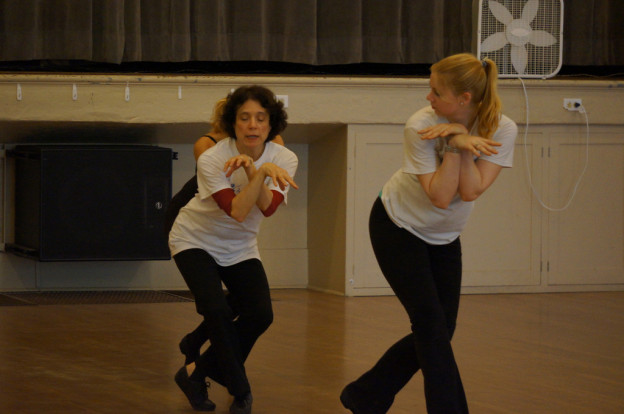
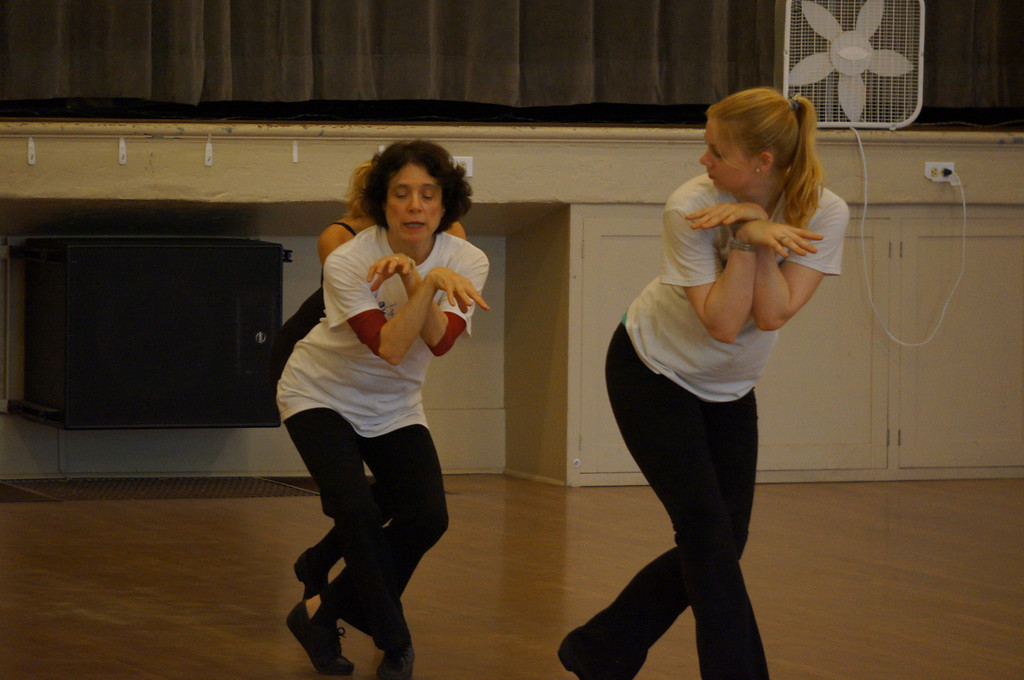
The Choreo-cubator© and Winter Full Day of Dance© are parts of the Wonderful Winter Workshop, www.2.0, presented by the International Dance Festival@Silicon Valley, a project of the not-for-profit organization, The Lively Foundation. FOR MORE INFORMATION & TO REGISTER: CONTACT livelyfoundation@sbcglobal.net    Photos: top, L to Rt: Audreyanne Covarrubias will teach Tap, 2/28; Leslie Friedman (L) and Amity Johnson work on a new dance, IDF@SV; middle: Etta Walton will teach Etta’s Line Dances set to great Country/Western music; bottom: Amity Johnson will teach Pilates mat.

Ax & Perlman: Dynamic Duo of Music in San Francisco

IPerlmanEmAxjpeg  Emanuel Ax, piano, and Itzhak Perlman, violin, performing together at San Francisco’s Davies Symphony Hall, Jan. 18, 2016, was exactly what one would expect: superlative beyond the same old superlatives. These are two of the greatest musicians currently on our planet. We are lucky to be in the world at the same time as they are. Although the quality of the performance was so great as one might expect, their program was far from anything “usual.” They performed Sonata in C major, K. 296, by Mozart; Sonata No. 1 in A major, Opus 13, by Faure; and Sonata in E-flat major, Opus 18 by Richard Strauss. These are not familiar selections. The listener was rewarded with new expressions, colors, and musical emotions.There was also a touching, dramatic presence to the musicians’ partnership. When they entered the Davies stage, Mr. Ax seemed to hold back to defer to Mr. Perlman, but once they were positioned to play, their own personalities were not on show. It was all about great music.

  mozart-kraft-1819-150x150  The Mozart selection, Sonata in C maj., K.296, was brilliant with bright, jewel-like colors and a perfection of partnership between piano and violin. It has Mozart’s brilliance in the sense of fantastic, playful wit, as well. The surprise was the satisfying expressiveness that came with Mozart’s brilliance and the musicians’ embodiment of the quick, starry music. 

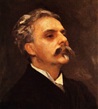
FaureGabriel Faure (1845-1924)wrote Sonata No. 1 in A major, Opus 13, in 1876. He was well on his way to his long and great career yet still in early days. The Sonata has a seductive beauty which captures the listener like the course of a river carrying a boat along. There is passion and also hesitation; the Sonata has a character all its own. It is certainly a work that called upon the virtuoso musicians to unleash their own powers which they did magnificently both in partnering the two instruments and allowing the instruments to follow their own ways.

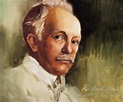
R.StraussRichard Strauss (1864-1949)was dedicated to creating chamber music early in his work. This sonata, written when he was twenty-three, took up the second half of the Perlman-Ax program. It is grand in its size and in beauty. The listener could take time out to think, oh, yes, later Romanticism; Strauss must have revered Brahms. There is no time out available for such observations. The music is sometimes introspective and also projects a feeling of improvisation, as though it were being created by the musicians as they played. Improvisation: Andante cantabile is the title of the second movement. Strauss’s Sonata has the force and energy to pull the listener into a gorgeous world, intense and full of power.

The audience, standing and vigorously applauding was most reluctant to let Perlman and Ax leave.  Mr. Perlman has a history of giving encores and introducing them with humorous commentary. The full house demanded extra treats. On this night, the audience was treated to four encores. Each time, the duo exited to applause and, after a bit, returned. They bowed and then, seeming to confer about what they might play, went back to perform. Mr. Perlman is the spokesman. The first selection, by Dvorak, he said, had intimations of Americana, Dvorak’s own Americana.  One could hear suggestions of what might have African-American music, forerunner of blues. Kreisler’s, Schon Rosmarin, came next, after another exit and return; then, Kreisler’s Love’s Sorrow. A young woman and her daughter who had made their way down to the edge of the stage presented them with a bouquet and a teddy bear. Mr. Perlman made a point of giving the bouquet to Mr. Ax, embracing the teddy bear for himself. They reappeared one more time, this time Mr. Ax was allowed the bear, to play Kreisler’s Love’s Joy. Mr. Perlman assured the audience he would not  leave them with Love’s Sorrow. The interplay between the musicians was delightful. The warmth of their stage presence never stepped over the line to interfere with the  seriousness of their performance. Hear Itzhak Perlman and Emanuel Ax on their Deutsche Grammophon album of sonatas by Faure and Strauss. They perform together on tour throughout the US this season. For other Hedgehog Highlights about these musicians please see entry of January 11, 2015, on recital by Emanuel Ax and entry of January 18, 2015, on recital by Itzhak Perlman.

Indian Dance: Timeless Traditions at Triton Museum, Santa Clara, California


IndianFlyer  Sangam Arts and the Cultural Commission of the City of Santa Clara are presenting a program of five types of classical Indian dance at the Triton Museum, 1505 Warburton, 7:30 p.m., January 8, 2016. This is a wonderful opportunity to see the beauty and variety of Indian cultures as embodied in the dances. If you have seen or studied Kathak, for example, here is your opportunity to enjoy Kuchipudi. Already know about Bharatanatyam? Come watch Manipuri! Admission is FREE to see outstanding exponents of these powerful and beautiful dances. The artists and their arts are Antara Bhardwaj, Kathak; Chandreyee Mukherjee, Manipuri; Guru Shradha, Odissi; Madhuri Kishore School, Kuchipudi; Navia Dance Academy, Bharatanatyam. Contact timelesstraditions.eventbrite.com to reserve your tickets. These tickets will go quickly; reserve soon. Congratulations to Sangam Arts for organizing this production. It is a great introduction to Indian classical dances and also an opportunity for those who study or perform one of the art forms to expand their appreciation of other forms.

San Francisco Symphony Celebrates Sibelius, Rediscovers Schumann

Music Director Michael Tilson Thomas led the San Francisco Symphony in a great, very great performance of the Violin Concerto in D minor, Opus 47, by Jean Sibelius, and Symphony No. 3 in E flat major, Opus 97, Rhenish, by Robert Schumann, November 13-15, at Davies Hall. If by any chance you missed hearing one of these concerts, you have a chance for more Sibelius tonight, Nov. 18, when pianist Leif Ove Andsnes performs works of Sibelius, Beethoven, Debussy, and Chopin. And, another chance for a grand Schumann symphony, Nov. 19-21, when MTT and the SFS perform Schumann’s symphony, No. 1, Spring.

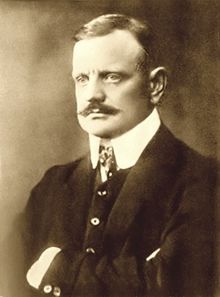
220px-Jean_sibelius-2  This is the 150th anniversary of Jean Sibelius’s birth, Dec. 8, 1865. Thanks to the milestone quality of that event, the SFS and others are performing more of his extraordinary music. One may hear Finlandia on the radio from time to time, and its stirring beauty is ample reason for Finland to celebrate Sibelius as a national hero, but he did write more. This program opened with his tone poem, The Swan of Tuonela, Opus, 22, no. 2. Written in 1896, it is one of a group of works based on Finnish legends, Four Legends from the Kalevala. Its beauty is misty, ethereal, and even a bit eerie. Tuonela was the “land of death” in Finnish myths. The Swan of Tuonela floats on a large river which circles Tuonela and sings. The images of the tale evaporate into the music or the music calls the mythic characters into being. From which ever direction one experiences it, The Swan of Tuonela, as performed by the SFS is beautiful and chilling.

Leonidas Kavakos Photo: Marco Borggreve Leonidas Kavakos performed the Violin Concerto (1904) with stunning virtuosity. This is not stunning in the sense of “looking good.”  This was stunning in the sense of shivers up the back bone and eye popping brilliance. Mr. Kavakos made the first recording of the original version of this Violin Concerto, in 1991. That version is said to be even more demanding than the one more often performed. The winner of major international violin competitions, he is far more than a majestic technician; he is a magical musician. The concerto moves from very delicate, dream-like music into deeply passionate music with the full orchestra. As a moody, pessimistic sound takes over, the solo violin emerges to play an astonishing cadenza. Sibelius uses the voices of the orchestra and of the soloist in opposition and also brilliant unity. As a composer, Sibelius can only be described as Sibelius-esque. The music finds enchanting melody and also heart pounding syncopated rhythms. This SFS performance with Leonidas Kavakos took one’s breath away.

220px-Schumann-photo1850Robert Schumann (1810-1856) was a pianist, conductor, music critic, journalist in addition to being a great composer. We are all lucky that MTT and the SFS are launching a project to record Schumann’s four symphonies. The performance, Nov. 15, was the first of the performance recordings. It was glorious. Maestro Tilson Thomas captured the energy and motion of the music. One could almost feel the rolling power of the water in the waves of sound. The SFS played as though their hearts were unleashed. The symphony opens with lively music; we are there on the Rhine, that ever present symbol of Europe. The second movement has the rhythms of dances. The minuet and a German folk dance combine. Schumann had called it “Morning on the Rhine.” He and his wife, Clara, had taken a trip to the Rhineland together and remembered it as a tranquil, happy time. Schumann had seen the cathedral at Cologne and the installation of a Cardinal there. The solemnity of the fourth movement is his representation of the grandeur of the place and event. In the end, wisps of the early themes reappear; the timing slows as the great river swells and travels toward the sea. The the symphony has an internal effect on the listeners. The audience was buoyant, energized, smiling as though the movement of the music had infused them all with the spirit of the natural force of the river.

mtt_09-black_0598-5-120x67 Three cheers for MTT’s Schumann project with the San Francisco Symphony. This great, Romantic composer has not been given his due in recent decades. Music lovers should not miss this experience. The time has come to rediscover his music.

Pictures, from top: Jean Sibelius; Leonidas Kavakos, courtesy of San Francisco Symphony; Robert Schumann, photograph from 1850; Michael Tilson Thomas, courtesy of San Francisco Symphony.