Author Archives: Leslie

IDF@SV 2019: Register & Buy Tickets NOW!

LESS THAN A MONTH AWAY: THE Great Dance Experience, The International Dance Festival@Silicon Valley, 2019!  ALL EVENTS take place at 890 Church St., Mtn. View. REGISTER for Full Day of Dance© classes:  Make your choice, one or any number of classes. Price per class reduces with each added class. You may pay in cash at the door. OR You may use a credit card at the door. OR Send us a check made out to The Lively Foundation and mail it to The Lively Foundation, 550 Mountain View Avenue, Mountain View, CA 94041-1941 OR use the PayPal offered on the landing page of this site. Go to livelyfoundation.org Scroll down the landing page to see “Donate.” Click on that. It takes you to PayPal. PLEASE send an email  to livelyfoundation@sbcglobal.net  to tell us your name and which classes you have chosen to take. Full Day prices are: $25 single class, $40 for 2 classes; $54 for 3 classes; $64 for 4 classes; $70 for 5 classes. Scholarship aide is available; you must email livelyfoundation@sbcglobal.net  in advance to apply.  BUY TICKETS for the Festival Concert: General Admission: $20; over 65 or under 10 years of age $12; Groups of 5 or more $12 each; Groups of SRS. or children $10 each. Mail your check to The Lively Foundation to The Lively Foundation, 550 Mountain View Avenue, Mountain View, CA 94041-1941 OR use the PayPal connection on our landing page. Scroll down the page to DONATE. That connects you to PayPal. PLEASE send an email to livelyfoundation@sbcglobal.net to tell us who you are, how many tickets you have bought so that we have your name/s at the ticket desk.

FULL DAY OF DANCE© CLASS SCHEDULE NOW!!

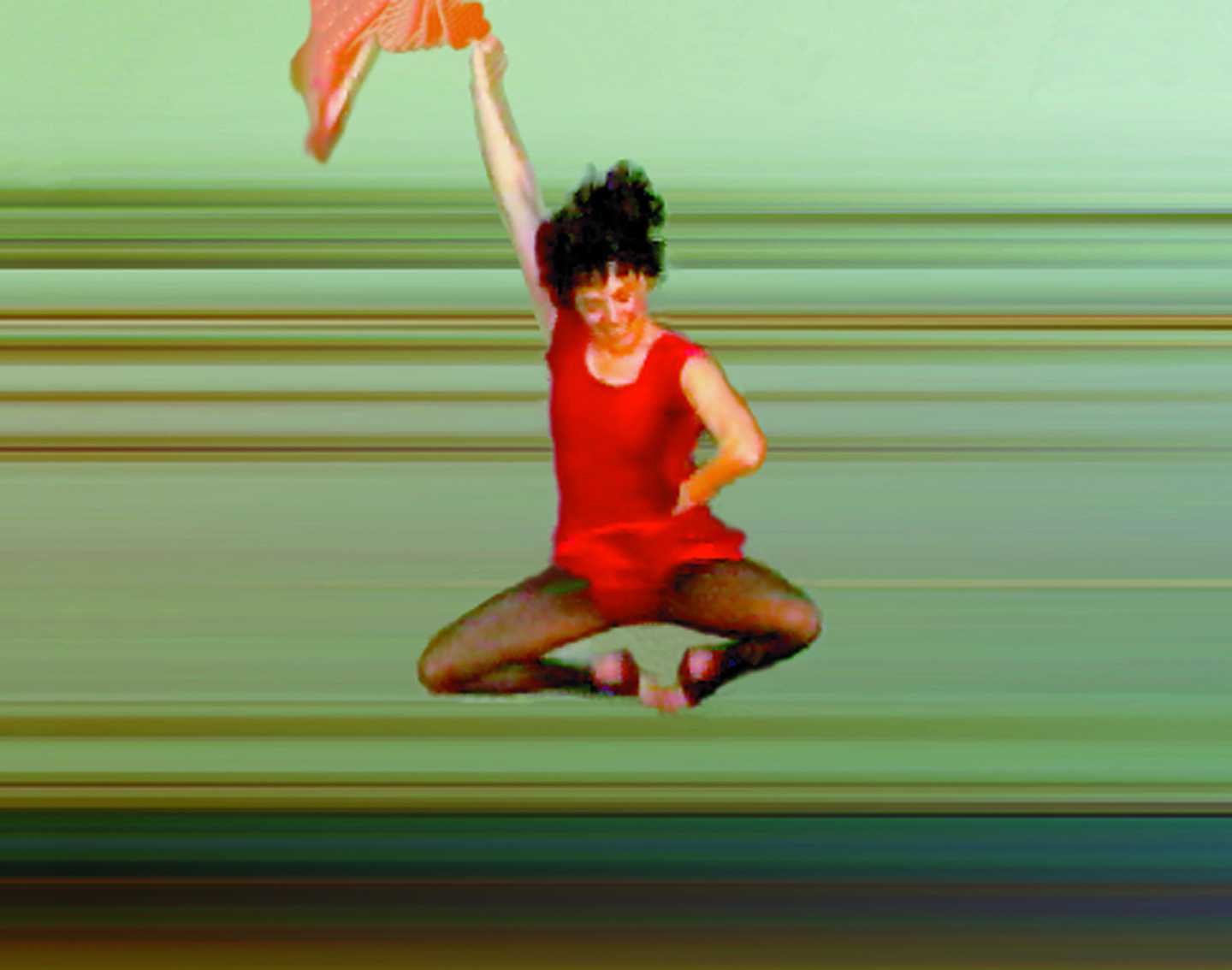
The Full Day of Dance© is the BEST way to do something you love and try something new. Five classes: all open to mixed levels, each one hour long, fifteen minute break between each class. You may take one or any number of classes. BEST DEAL & MOST FUN: TAKE THEM ALL!Audreyanne Delgado Covarrubias: extraordinary Tap artist teaches Tap on Full Day of Dance© Saturday, May 19, 1:15 – 2:15 p.m.

Here is the schedule for Full Day of Dance© 2019. Doors open at 9:30 a.m.

10:00 a.m. – 11:00    Ballet ( mixed levels, no pointe work, all adults welcome, ages 15 & up & up) 11:15 a.m. – 12:15    Pilates mat (please bring a mat or towel, good for Pilates fans & newcomers

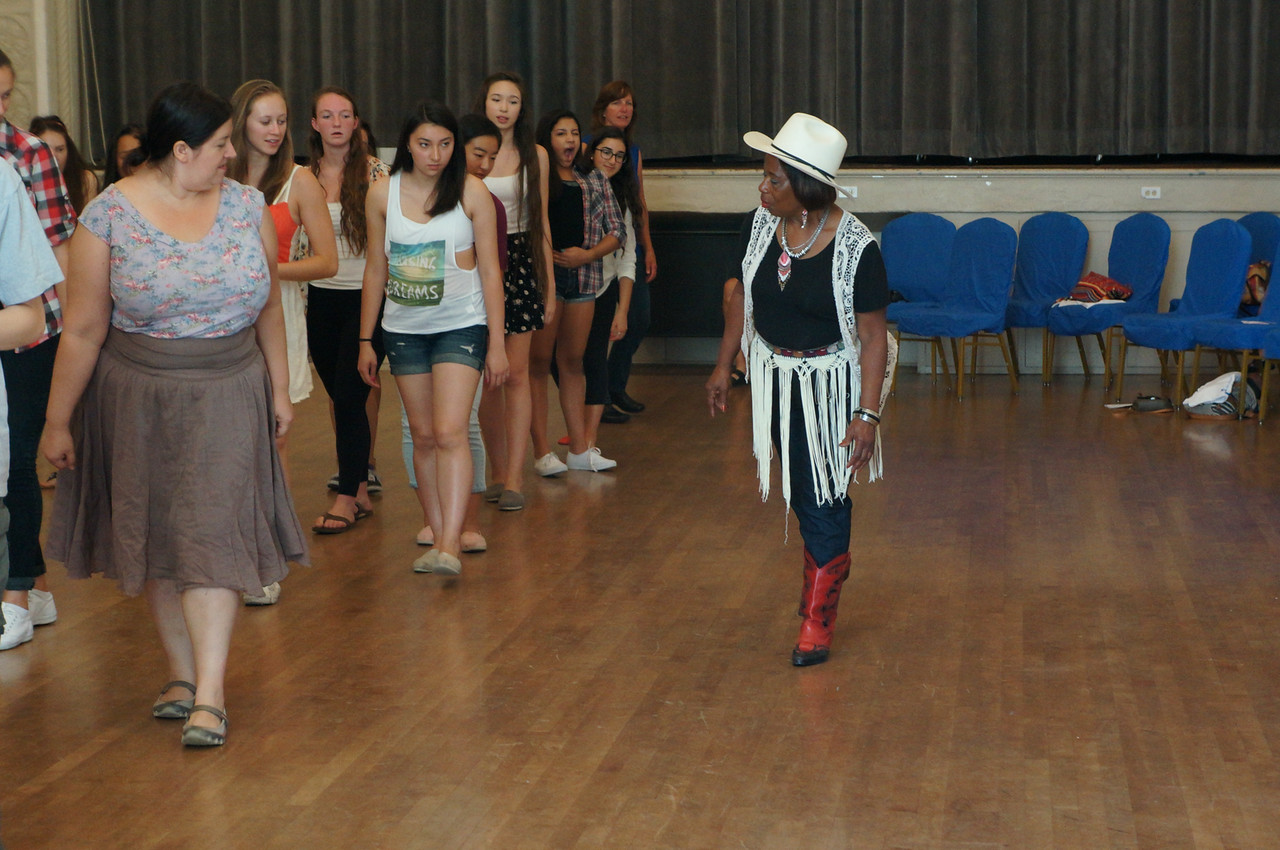
Etta Walton leads the audience in her Electric Line Dances. Take her amazing class, Saturday, May 18, 2:30-3:30

1:15 – 2:15 p.m.       Tap (If you have tap shoes, that’s great; if not, wear shoes that will stay on.) 2:30 – 3:30 p.m.       Etta’s Electric Lines (This is a wonderful class for all ages and all dance levels) 3:45 – 4:45 p.m.       Ballroom (Waltz & Cha Cha; no partner? no problem. Partners are provided).

REGISTER NOW & receive Early Bird rates. EB rates end one month before the event. Class costs: Price per class reduces with each added class. Early Bird registration: $20 single,$36 for 2; $48 for 3; $56 for 4; $60 for all five; Regular registration: $25 single; $40 for 2; $54 for 3; $64 for 4; $70 for all five. Please send a check made out to The Lively Foundation to: The Lively Foundation, 550 Mountain View Ave, Mountain View, CA 94041-1941  OR  pay at the door (no Early Bird at the door) OR go to the landing page of this blog (livelyfoundation.org), scroll down until you see the DONATE sign. Click on that and follow directions for using PayPal. PLEASE IF you pay through PayPal notify us through email that you are doing that and which classes you want to take. THANK YOU! See you on March 18 for a great day of dance!

Contact livelyfoundation@sbcglobal.net with any questions.

MARC-ANDRÉ HAMELIN: Phenomenal Pianist at San Francisco Symphony

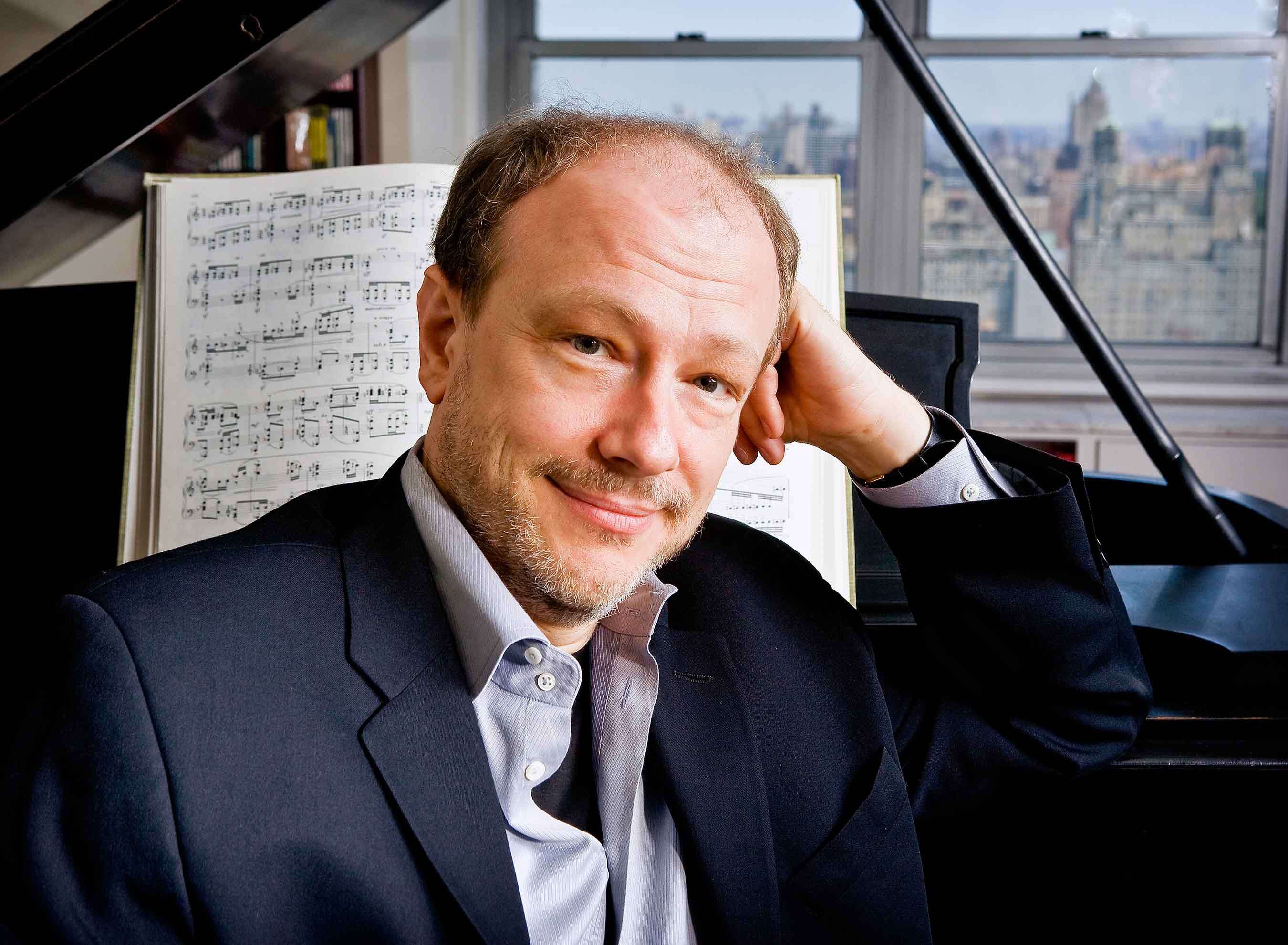
The recital by pianist Marc-André Hamelin, Sunday, March 31, at Davies Symphony Hall was phenomenal. Mr. Hamelin is a great artist. Read this article, then get a ticket to fly somewhere soon to hear him. His technical brilliance is well matched by what appears to be his total immersion in the music; he understands it, he knows it, there is not a note that is not important to him. Not only can he play at warp speed, he can play slowly, even very, very quietly. I am tempted to call it playing “magically,” except it is not magic. The music is real. The musician is of this real world. The program knocked my sox off. Mr. Hamelin, however, is not a flamboyant presence. He is all about the music.

Marc-André Hamelin (photo by Fran Kaufman)

J.S. Bach’s Chaconne from Violin Partita in D minor, No. 2, BWV 1004 as arranged by stellar pianist-composer Ferruccio Busoni (1866-1924) opened the performance. It was representative of the now seldom performed 19th-early 20th century transcriptions of Bach’s monumental works. Whatever the historical instrument and performance style fans might think, it was fascinating musically. There was Bach but something different. It thoroughly engaged the listener’s attention. Written for the violin, translating it into piano language gave it different sounds, textures, and a different spirit. It was a wonderful introduction to Mr. Hamelin’s playing as he demonstrated his total mastery over the many dimensions of the piano.

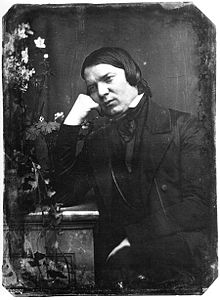
Robert Schumann (1810-1856)

Robert Schumann’s Fantasy in C major, Opus 17 is a gigantic work conveying myriad emotions as it ventures into different rhythms and suggests images. Having seen Mr. Hamelin play it, one can barely think anyone else would approach its technical difficulty and multiple meanings. The music explodes with Romantic energy and ideals and, in its third movement, seems to hover in moon glow. It is sometimes closer to a symphony than a sonata and draws on all of the young Schumann’s piano knowledge and technique as well as imagination unbound. Schumann wrote part of it in 1838, during the time he was separated from Clara Wieck, his true love, by her father. He wrote to Clara telling her, “I think  it is more impassioned than anything I have ever written–a deep lament for you.” Yes, romantic in every sense. They were married in 1840: she recognized as one of the great if not greatest pianists in Europe and he as a leading composer. Let us leave their history there before the tragic story’s end.

Mr. Hamelin is known for exploring less well known composers as well as the most celebrated, classical masters. His program included Six Arrangements of Songs Sung by Charles Trénet. Mr. Hamelin found a recording, Mr. Nobody Plays Trénet, of Trénet’s songs which typify French cabaret in the era from 1930s-1950s. The pianist who recorded the songs was Alexis Weissenberg (1929-2012). Mr. Hamelin created a score from listening to the recording and then received arrangements of four of the six songs from Mr. Weissenberg’s granddaughter. The performance of the six very different songs was a delight: personal and intriguing music with a special lilt and character. A wonderful addition to the recital.

Mario Castelnuovo-Tedesco’s Cipressi (Cypresses), Opus 17 was a revelation to those of us unfamiliar with this composer. The music calls out visions of the cypress trees which were in the environment of the place in Italy where Castelnuovo-Tedesco spent summers in the 1920s. For this listener, the image of eucalyptus in the Bay Area mist immediately came to mind. It is a relatively brief, but beautiful and completely original work. The composer wrote extensively for the guitar as well as piano, symphony and voice. Like other artists who were fortunate to leave Europe in the 1930s, Castelnuovo escaped to Los Angeles in 1938. The beauty of this composition with its slightly mysterious sound impels me to look for his operatic work for Shakespeare’s All’s Well That Ends Well.

Frédéric Chopin (1810-1849)

One may often hear Chopin’s work described as “jewel like” meaning both brilliant and, especially in comparison to a symphony, small. The thing about Chopin’s work is that it is perfect. This was my rejoinder to a friend who thought Chopin’s lack of symphonies made him less a composer. No. His work is perfect, that is in addition to enchanting, beautiful, entirely only itself. The two pieces chosen by Mr. Hamelin, the Polonaise-Fantasy in A-flat major, Opus 61, and the Scherzo No. 4 in E major, Opus 54, were vigorous and large, full of invention. Chopin’s performances and compositions helped to enlarge the piano’s world in technique and sound. Mr. Hamelin seemed to revel in the bright, ebullient and continually challenging music, and so did the audience.

Standing and cheering for Marc-André Hamelin, the audience brought him back for bows and then received two encores. The first was his own composition, Toccata on L’homme armé. Fast, incredibly intricate, it had thirty premieres as all the contestants in the 2017 Van Cliburn contest had to play this work by Hamelin, one of their judges. Bowing to the insistence of music lovers greedy for more, Mr. Hamelin also played Herberge from Schumann’s Forest Scenes. It was played lovingly, and with careful attention to the unusual phrasing and a surprise rest before the delicate ending.

Mr. Hamelin performs all over the world, and he will be in Madison, WI, April 12- 14. The ice has probably melted. You will be glad to be there even if it has not.

FERLINGHETTI’S 100th BIRTHDAY! GET THE POSTER!

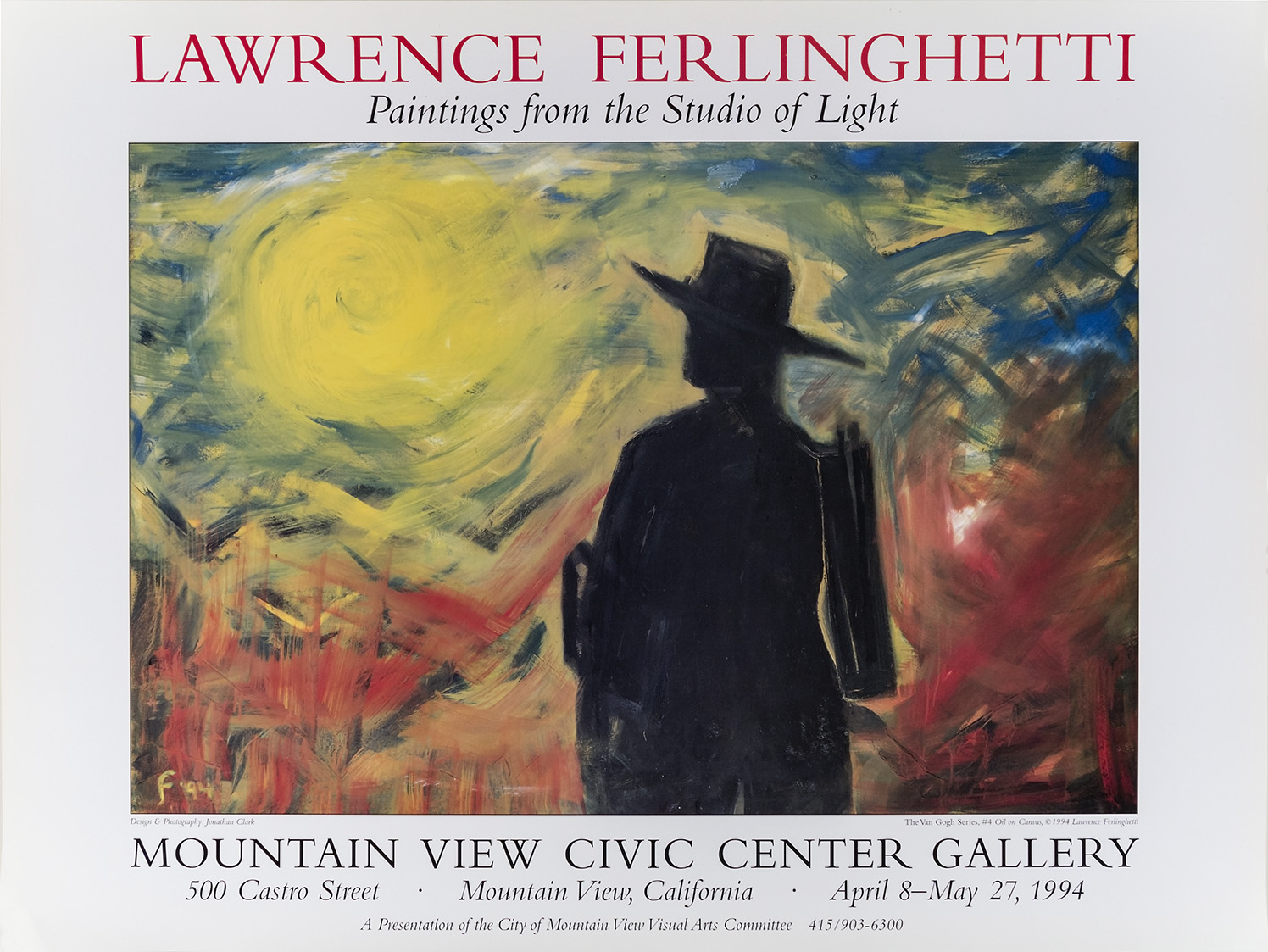
This post was originally published for Lawrence Ferlinghetti’s 100th Birthday. We present it again to honor his passing at age 101 and 11 months. Good news: there are still posters to purchase as well as the remarkable greeting cards which were not offered 2 years ago. Buy one or more now to honor an activist artist who inspired so many. POSTER NEWS! We continue to get requests for this poster. Please note new price due to limited  supply.

Lawrence Ferlinghetti’s birthday is March 24. Just a few days ago he turned 100. Celebrate this great life landmark with an exclusive poster designed by Jonathan Clark. His birthday is also March 24th! but not his 100th. Not yet. The poster is colorful with a strong image of Lawrence’s painting. Buy one now for yourself and another as a gift. It was a limited edition poster of which Jonathan is offering some of what he has in his own collection.  In 1994, Jonathan –the internationally acclaimed photographer and fine art printer—was the Chair of the Visual Arts Committee for the City of Mountain View, CA. He organized and presented the first major exhibition of Lawrence Ferlinghetti’s paintings. Well known as a poet and publisher, Ferlinghetti’s visual art was not well known. Soon after the exhibition in the Mountain View City Hall, the exhibition moved to San Francisco to be shown in The Lively Foundation’s new studio at the corner of Grove and Gough Street, just a block from the SF Ballet and the SF Opera House. It was Lawrence’s 75th Birthday Party and our opening; a great day with a great crowd of art lovers and many who were devoted to Lawrence’s role in the cultural life of San Francisco.

Original poster. It is 18″ x 24″

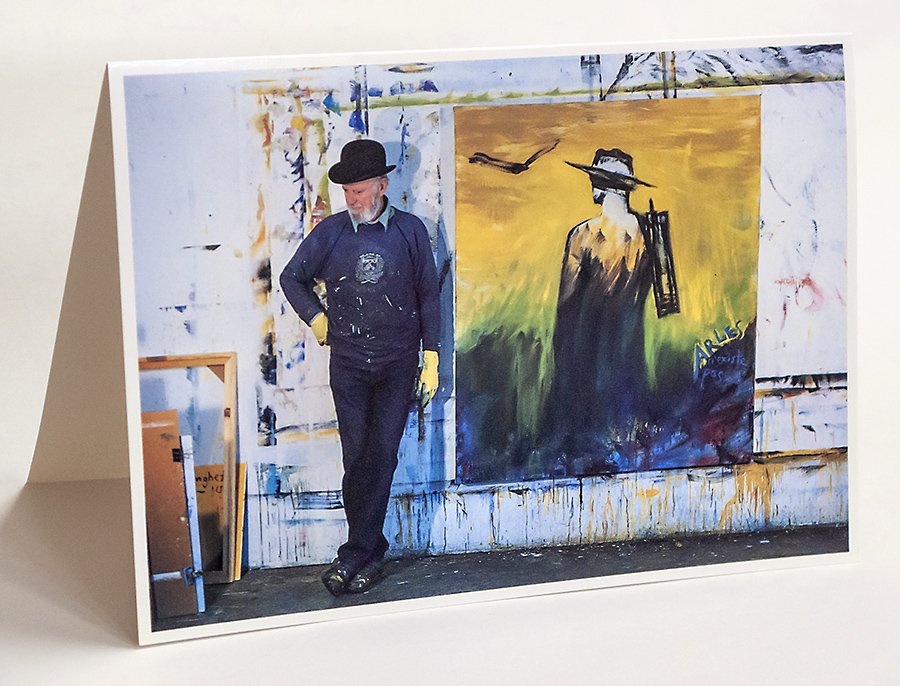
Cost for one poster is $36. If we mail it to you, postage cost is $7.84 (exact postage cost can change depending on destination). Yes, that really is the postage. This is the real deal. You will not find this anywhere else, and it is terrific. Previously not for sale, but NOW AVAILABLE: greeting card, blank inside, with portrait photo by Jonathan Clark of Lawrence standing by his painting.

Email us at livelyfoundation.org   Let us know your name, address and how many posters or cards you would like. This is first come, first served. Mail a check made out to Jonathan Clark to Jonathan Clark, 550 Mountain View Avenue, Mountain View, CA 94041-1941. You will love having this historic poster celebrating an individual who is a significant cultural force and who has done so much for many artists. Do it today!

International Dance Festival@Silicon Valley, 2019:HERE WE GO!

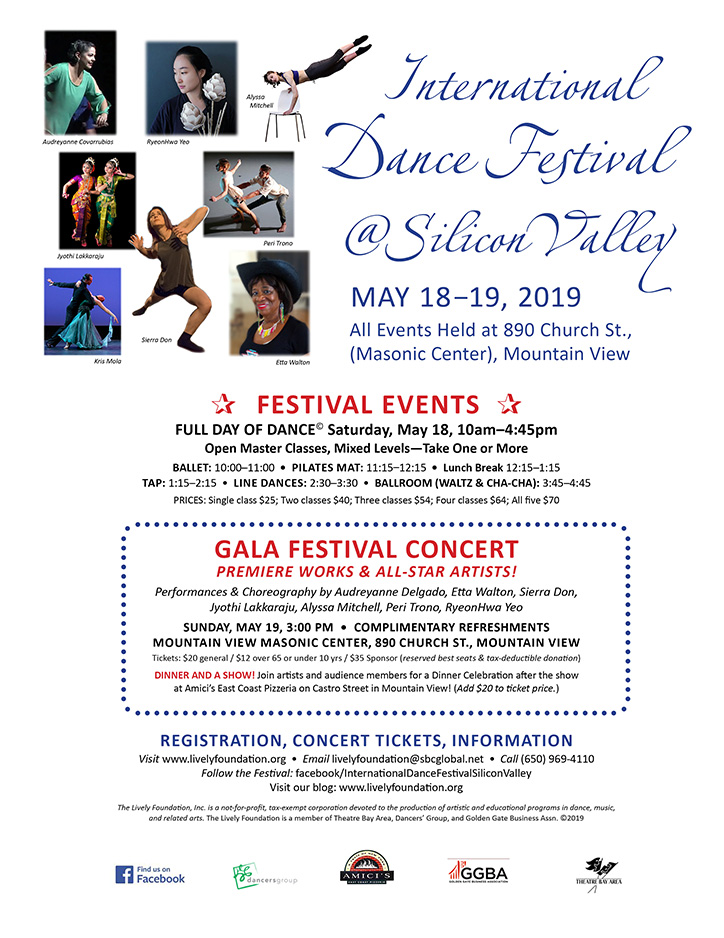
The Lively Foundation is excited to announce the dates and events of International Dance Festival@Silicon Valley, 2019. OUR 8TH SEASON! This year, IDF@SV takes place in May. The Full Day of Dance© will be on Saturday, May 18. First class begins at 10 a.m. Last class ends at 5 p.m. The Festival Concert will be on Sunday, May 19, 3 p.m. ALL EVENTS take place at the Mountain View Masonic Center, 890 Church Street, Mountain View, CA 94041. There is free parking on the street around the Center and in the parking lot behind the building. It is also an easy walk from CalTrain.

FULL DAY OF DANCE© You may take any number of classes, but for the BEST DEAL & THE MOST FUN: TAKE THEM ALL! Ballroom (Cha Cha and Waltz), Ballet, Etta’s Electric Line Dances, Pilates mat, Tap. The best teachers anywhere, all of them are established, acclaimed artists in their own movement styles and all of them are devoted teachers. No partner for Ballroom? No problem; partners will be provided by the teachers. Each class is one hour long, open to mixed levels of training or dance experience, best for participants age 14 and older. Any age adult is welcome. Class costs: Price per class reduces with each added class. Early Bird registration: $20 single,$36 for 2; $48 for 3; $56 for 4; $60 for all five; Regular registration: $25 single; $40 for 2; $54 for 3; $64 for 4; $70 for all five.

Audreyanne Delgado Covarrubias teaching Tap

FESTIVAL CONCERT The Festival artists perform and choreograph new works special for this concert. Premieres by Audreyanne Delagado Covarrubias, Kris Mola, Leslie Friedman. The Awardees of the annual Choreography Competition present their award winning works. This is a Very Special Event for dance lovers and those who are interested in getting to know dance in the intimate, summer stock style setting of the Festival Concert. The dances will range from Contemporary to Traditional, international dance forms; Ballroom to Hip Hop. It is not to be missed! Tickets are $20 general admission; $12 for over 65 or under 10. Sponsor Tickets: $35 or more by your choice (reserved best seat and tax deductible donation). Group ticket discounts are available. Please contact The Lively Foundation for group information.

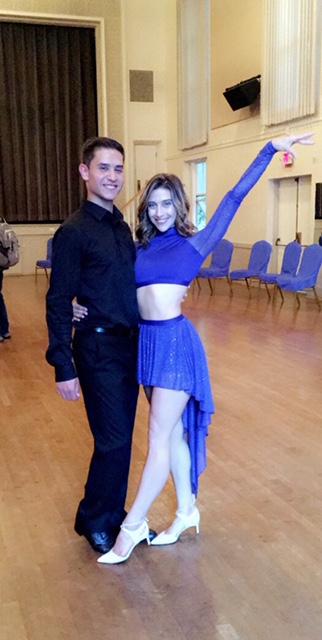
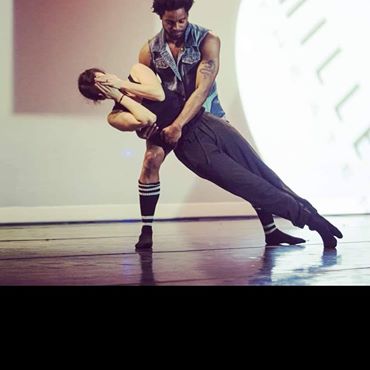
Taylor Florez & Casandra Armenta thrilled the audiences with their Hip Hop at IDF@SV, 2018 and return to the Festival Concert, May 19, 2019

FESTIVE FESTIVAL DINNER! Join artists and audience members at a fun, delicious dinner after the show. We will meet at Amici’s Pizzeria which is about a block and a half from the Masonic Center. Dinner plus the show: $40.

TO REGISTER AND BUY TICKETS: email livelyfoundation@sbcglobal.net  If you are registering for classes tell us which classes, and if you are buying tickets, tell us how many and which type of ticket. Please mail us a check made out to The Lively Foundation and mail it to The Lively Foundation/550 Mountain View Avenue/Mountain View, CA 94041-1828   OR if you need to use a credit card please go to the landing page of this blog, scroll down the page until you see the PayPal logo, click on it and follow directions. PLEASE let us know what classes you are registering for and how many and which kind of ticket. It is absolutely necessary for you to email us this information or, when you appear for class or performance, we will have no idea that you paid or paid for what. OR you may pay at the door.

THANK YOU!

Gauguin: A Spiritual Journey at de Young Museum, SF

The story of Paul Gauguin’s life (1848-1903) lends mystery and romance to the idea of an artist. He left the over developed, over civilized, expensive world of Paris to free himself and find his art in Tahiti. The exhibition at San Francisco’s de Young Museum, Gauguin: A Spiritual Journey, expands the reality of Paul Gauguin as artist and spiritual seeker. It is not so much denying the romance of a man working as a stockbroker, a humdrum job, and revolting against number crunching to seek primitive beauty as it is enriching our understanding of the complicated, thoughtful greatly talented individual. The works in the exhibition come from the Ny Carlsberg Glyptotek , Copenhagen, and from works in the Fine Arts Museums of SF own collection.

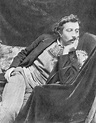
Photograph of Paul Gauguin

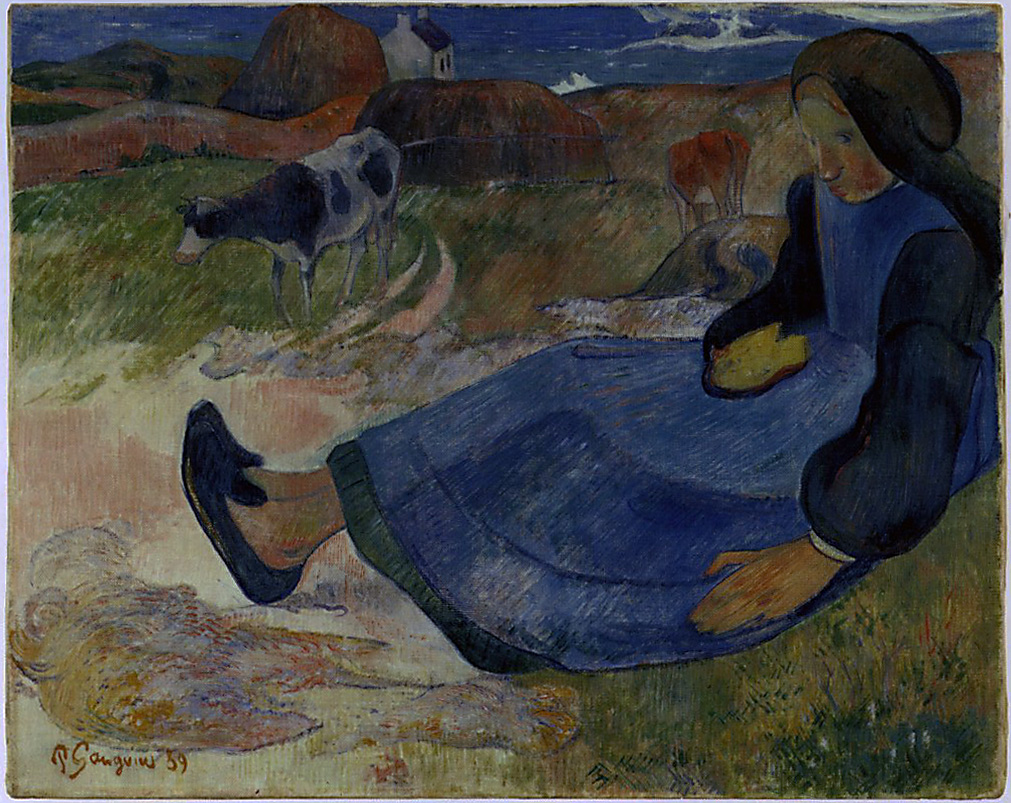
In his early life in France’s Merchant Marine and Navy, he sailed around the world and completed his military service. When he returned home, he established a close relationship with Gustave Arosa, who became his legal guardian after the death of his mother. Arosa had a an art collection distinguished by works of Delacroix, artists of the French Salon, and ceramics from world wide origins. In this environment, Gauguin’s interest in art became a passion. Through Arosa, he met Camille Pissaro. The great Impressionist became Gauguin’s friend and mentor. Gauguin had no formal art training. Mette Sophie Gad, a Danish woman, met him in Paris; they married in 1873 and had five children. The stock market  crash in 1882 was a fortunate fall; it opened a door for Gauguin’s full time devotion to his art. Although Mette and Paul would eventrually separate when he turned to painting full time, she loyally supported his work, organized an exhibition in Copenhagen, and sold his paintings. Other painters were also important in his life as friends and companions. He and Emile Bernard met in Brittany where Gauguin made important strides in creating his own style. The Bretons with their distinctive dress and their emphatically not-Parisian life style and environment were nearly foreign and exotic.

Breton Girl, 1889, is in exhibition at de Young

Gauguin and Vincent Van Gogh painted side by side in Arles, in the south of France. Each had his own vision creating art, but the few months together surely had an impact. Gauguin left Provence shortly after Van Gogh cut off his own ear. Gauguin continued searching for a pure, wild or “sauvage” home in which he could get in touch with a culture and spirituality which was not influenced by the industrialized, urban world of Copenhagen or Paris. He left Mette and his family to travel to Panama and Martinique. He made his first trip to Tahiti in 1891 under the auspices of the French Ministry of Fine Arts. What he found in Papeete was not an untouched paradise; the colonialism of the French empire had inevitably modified Tahitian existence. He moved onward to another part of the island, Mataiea. On his second trip to Tahiti, his ship was delayed in Auckland, New Zealand. He closely observed and collected Maori art.

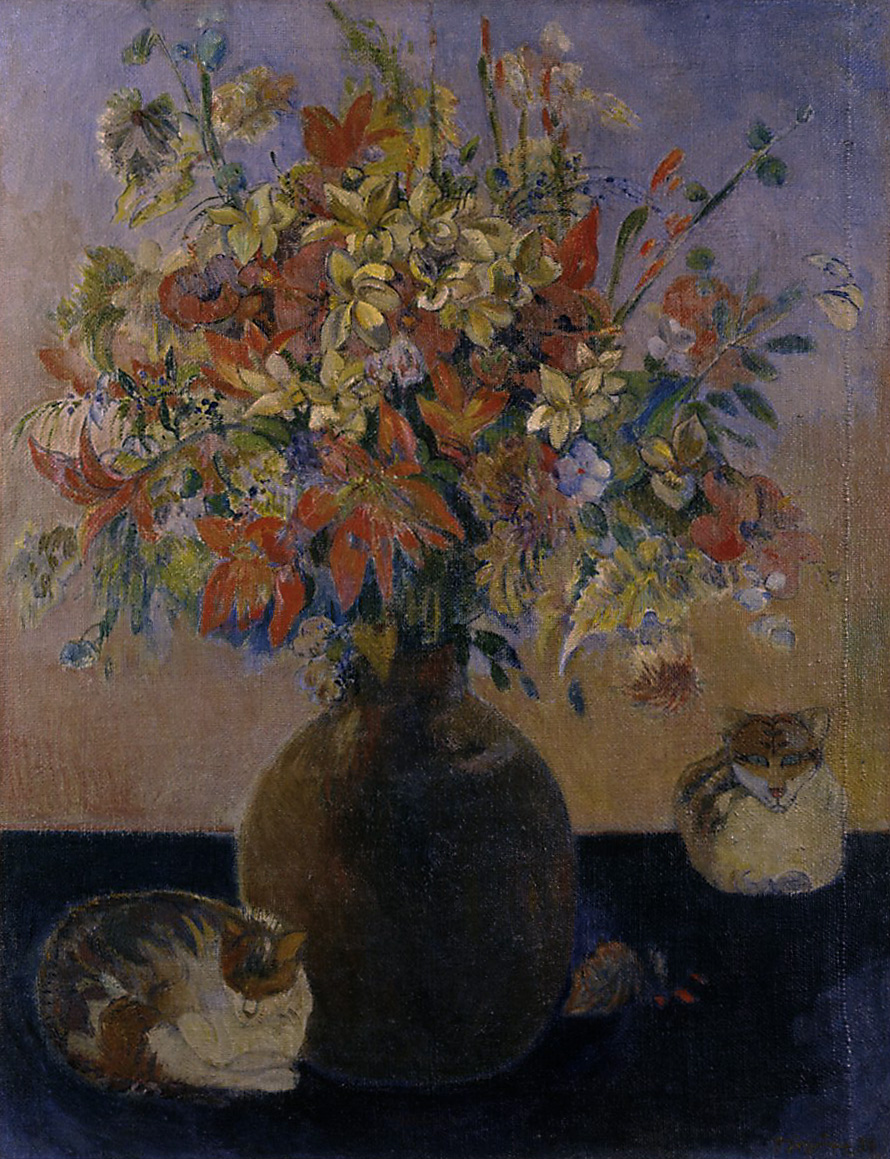
Flowers and Cats, 1899, Tahiti, in the de Young exhibtion

His story is not one of finding the original, pure society he sought; instead, it is one of continual seeking. He went to Hivo Oa in the Marquesas Islands, in 1901, and died there in 1903. Among the many glorious surprises in this brilliant exhibition are Gauguin’s ceramics. These are not thrown on a wheel but hand worked in fascinating character. To see his earlier paintings which glory in nature and humanity in nature, and his drawings and paintings of Breton life which present the differences of life style, forms, and pattern established through the shapes of costume and patterns of movement is a spiritual journey for the exhibition visitor. It expands one’s understanding of this artist’s many journeys to come closer to the world as a whole and to immerse himself in particular ways of living which were never entirely his own. Gauguin was also a collector of art. His collections expose his profound interest in other forms of living and other forms of worship. The exhibition closes on June 23. Do not miss it.

Battery Dance Film at Cinequest: MOVING STORIES

Great news for dance and film lovers, especially in the South Bay area. The Cinequest Film Festival will present MOVING STORIES, at the Hammer Theatre, 101 Paseo De San Antonio Walk, San Jose, 95112, Saturday, March 16, 4:15 p.m. Tickets are $12. Information: contact@cinequest.org     phone: 408/295-3378

Link for online tickets: https://www.cinequest.org/tickets-passes

This film shows the work of Battery Dance Company of New York as their dancers travel around the world to bring the experiences of dance performance to at-risk youth. Battery’s dancers traveled to India, Romania, South Korea, and Iraq to inspire the young people and “transform their lives” through the effort, training, and magic of dance. The Battery dancers took only one week in each locale to teach a choreographed work to the youth who would then perform it. The film shows the struggles and triumphs that come through this amazing program. Battery Dance Founder/ Director, Jonathan Hollander has pioneered this work both at home in New York and across the globe. The Battery dancers learn about the extremely difficult conditions of their youthful collaborators’ lives. Together, they create something unique which will last forever in the hearts of all participants.

Jonathan Hollander,Founder/Director of Battery Dance Company

Mr. Hollander and company dancer Sean Scantlebury will also screen the film in San Francisco and follow the showing with a dance workshop led by Mr. Scantlebury who is a dancer in the film. The event is Saturday, March 16, 10 a.m. – 1 p.m. Film showing is from 10 a.m.-noon; workshop from noon- 1 p.m. Event is at 188 The Embarcadero, San Francisco, the Google Community Space. Tickets are $16.78. Please purchase before March 14. For tickets and more please go to this link:

https://www.eventbrite.com/e/film-screening-of-movingstories-dance-workshop-by-battery-dance-company-tickets-5695886952

Sean Scantlebury (standing dancer) Company member of Battery Dance Company

This is a thrilling opportunity for everyone who loves dance and who puzzles over how individuals from different cultures could ever work together. The Battery Dance Company answer is there is a universal language: DANCE!

Esa-Pekka Salonen Debuts as Newly Named Director SF Symphony

A completely full house at Davies Symphony Hall, January 19, 2019, greeted Esa-Pekka Salonen with applause and cheers before he even reached the podium. This was his first performance with the San Francisco Symphony after being named Michael Tilson Thomas’ successor as Music Director of the SFS. Although he had led the orchestra previously, there was a feeling in the house that this was something different, a time to listen and watch intently for hints of what is ahead for San Francisco.

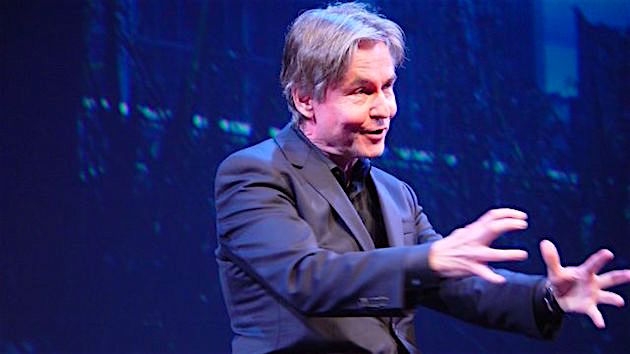
Esa-Pekka Salonen addressing the SF audience at the Sound Box

The program featured Also sprach Zarathustra, by Richard Strauss (1896) and Four Legends from the Kalevala, by Jean Sibelius (1896). The West Coast Premiere of Metacosmos Anna Thorvaldsdottir (2017) opened the concert.

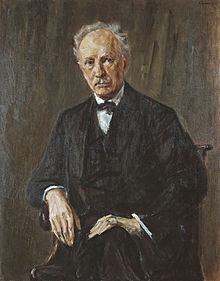
Richard Strauss

Also sprach Zarathustra (Thus Spoke Zarathustra) is familiar to many as the theme music of the movie, 2001: A Space Odyssey which opened in 1968. Being the theme of a hugely popular movie has pluses and minuses. On the plus side is the immense, world wide audience now exposed to the music. On the possibly negative side is the permanent association of the movie and the music making it difficult to think of one without the other. 2001, tragically, now has other associations, as does 1968, a year of war, assassinations, political turmoil. The SF Symphony’s performance of the thrilling music was so effective that the audience was totally involved and could not have pondered anything else. R. Strauss took a work by Friedrich Nietzsche as his inspiration for the music. Nietzsche had as his inspiration Zarathustra, a Persian philosopher from the 6th century B.C.E.  After isolating himself from society, Zarathustra sees a sunrise and realizes he must rejoin his world. R. Strauss wrote that he intended his music to transmit “the evolution of the human race from its origin.” It is a roller coaster ride from the stratosphere to Earth and back again. If this is humanity, it has endless pitfalls and triumphs and mysteries. This is music that should be experienced as the SF Symphony played it, no movie required, lifting the listeners, opening their eyes as they let go of the safety rail and ride.

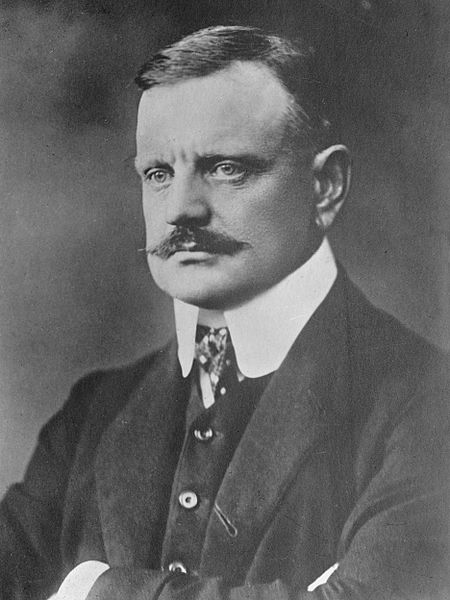
Jean Sibelius, 1913

Four Legends from the Kalevala is a suite of pieces representing episodes in the Finnish epic story. A young man, Lemminkainen, has fabulous adventures as he hunts, finds love, battles, and defies death. Each episode has a different character and sound: Lemminkainen and the Maidens of the Island; Lemminkainen in Tuonela; The Swan of Tuonela; Lemminkainen’s Return. The writing creates a deeply colored and emotional atmosphere more than representing specific narrative actions. The encounter with the Maidens of the Island begins with an announcement suitable to opening the entire suite and ends with carefree, sensuous dancing. In Tuonela, Lemminkainen begins his quest to kill the Swan of Tuonela but is killed himself instead. In the Finnish myths, Tuonela is death’s habitat. As in many epics, the hero has a polar opposite, a blind cowherd who manages to overcome the hero. Lemminkainen’s mother finds her son’s body and is able to bring him back to life. The tension in this movement comes forth in intense harmony that leads to the music of a solo cello. In the epic, the Swan of Tuonela swims in dark water of a large river. The Swan sings. The music in this movement is exquisite and strange. The string sections are composed in 13 different parts on top of each other and from that complex, but unified sound comes the voice of a solo English horn. It is eerily beautiful. The Journey home unifies the different aspects of the music and introduces a rondo which brings all the adventures together. The work demands and richly rewards attention. This was an extraordinary performance by the SFS. The musicians played themselves into the mysterious world of the Kalevala giving their audience a superb, personal experience of a distant world. The audience stood, applauding for the Music Director designate to return for more bows. This event promises a close creative partnership of orchestra, conductor, and audience.

For more on Sibelius’ Swan of Tuonela, see post on Michael Tilson Thomas and the San Francisco Symphony at    livelyfoundation.org/wordpress/?p=1073


Itzhak Perlman Plays Klezmer

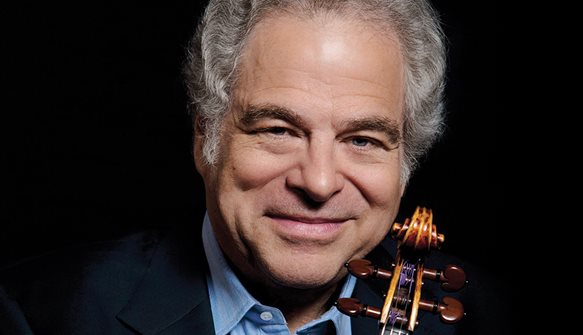
Itzhak Perlman performed “In the Fiddler’s House,” San Franciso Symphony, January 14, 2019

The music began, and I felt myself smile. Not because the music was an old, familiar tune. Just because it was rollicking, joyful sounding music. Those of us lucky enough to be at Davies Symphony Hall, Monday night, January 14, were treated to a full concert of Klezmer music led by the great violinist, conductor, fiddler Itzhak Perlman. He shared the stage with a crowd of gifted musicians playing accordion, bass, bass clarinet, clarinet, tsimbl(cymbalom), drums, guitar, mandolin, piano, saxophone, tambourine, trombone, trumpet, violin, and singing. I think there was a total of 15 musicians, but since most of them played more than one instrument it became hard to keep track. This music is “something completely different.” In his typical fashion, Mr. Perlman was modest and also brilliant. When the musicians came on stage, I did not see him. Then, I realized he was there but allowed himself to be camouflaged by his colleagues. Pianist Hankus Netsky acted as MC, offering bits of history and musical introductions. He and Mr. Perlman established an occasionally competitive conversation with Mr. Perlman urging Mr. Netsky to get on with it instead of talking and adding his own commentary. It was a playful Pat and Mike act that was informative without being weighty. Mr. Netsky is Founder/Director of the Klezmer Conservatory Band, and was music director and arranger for Eternal Echoes, Itzhak Perlman’s collaboration with cantorial, Hassidic, and Yiddish music, available on Sony Masterworks.
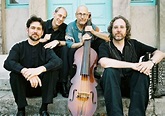
Brave Old World, members of this international Klezmer group were onstage “In the Fiddler’s House,” including Michael Alpert, vocals, guitar, accordion, violin

The name Klezmer comes from combining the words for “tool” and “to make music,” translated as “vessels of song” or “musical instruments.” It also referred to the musicians themselves, not always in a positive way. In the 16th – 18th centuries, “Klezmer” replaced an earlier word for them, “leyts” which means clowns. Mr. Perlman injected this information as his partner described them as scholars. In the early 20th century, recordings referred to it as Yiddish music. It was also called “Freilech” music, “Happy Music” and my recent 21st century reaction attests this is apt. The music has an Eastern sound to it and also a distinctly Romani (Gypsy) sound. The Hedgehog musician says it has a different mode, plays in different scales. It is expressive as well as lively; one can hear sounds like a human voice laughing or sobbing, The oldest written record of Klezmer is from the 15th century, but that music would not be what we can hear now. The strongest 19th century influence came from Romania. The Klezmer like the Romani musicians, Lautari, were traveling musicians and they played music together. The Rabbis did not approve of the Klezmer because of their on the road lifestyle, but they were needed for weddings. The Bible mentions orchestras of musicians and Levites playing music. After the destruction of the Second Temple, some Rabbis disapproved of making music, but back then also it was necessary for wedding celebrations.

The Klezmatics: members of this band were featured artists “In the Fiddler’s House,” including Frank London, Lorin Sklamberg

In Ukraine, the Ukrainian authorities would not allow them to play loud music, so they began to play string instruments and cymbalom. When more Jewish Eastern Europeans arrived in the US, 1880s – 1924, they heard American jazz. Elements of jazz can show up in Klezmer and, like the connection to the Romani music, an exchange occurred. The concert at Davies Hall was a feast of wild rhythms, fantastic interplays of vocal and instrumental music, speed demon virtuoso performances. Mr. Perlman performed with Andy Statman, a blue grass and Klezmer star; they blew away any observers’ desire to find a bunch of words to describe what they were hearing. When Klezmer’s popularity faded, other composers found treasures in it: Mahler and Shostakovich, jazz and swing leaders Benny Goodman, Artie Shaw, Ziggy Elman; Gershwin, Bernstein, and Copland. There have been several significant Klezmer revivals: in the 1970s; a new wave in the 1980s with non-Jewish musicians; in the SF Bay Area in the 1990s.
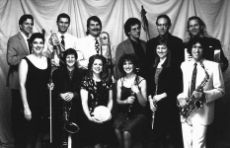
The Klezmer Conservatory Band, based in Boston, members were “In the Fiddler’s House,” including Judy Bressler, Hankus Netsky

The January 14 program featured tunes that might be played for a riotous, happy, dancing wedding. When the invitation came for the audience to dance, hundreds jumped up, held hands, and danced through the aisles. As Mr. Netsky mentioned, tunes also took them back to the synagogue. Their version of Shalom Aleichem was lovely and touching. That song welcomes the Sabbath “Peace be upon you, blessed peace of Sabbath eve,” and the “ministering angels of most high.” Itzhak Perlman is not only the great violinist, he is the great human carrying his message of peace and joy through his music as he travels the world like Klezmers of all time.

Featured, astonishing musicians: Hankus Netsky, music director, saxophone, piano, arrangements; Michael Alpert, vocals, guitar, accordion, violin; Judy Bressler, vocals, tambourine; Lorin Sklamberg, vocals, accordion; Frank London, trumpet; Andy Statman, clarinet, mandolin; Mark Berney, trumpet; James Guttmann, bass; Mark Hamilton, trombone; Pete Rushefsky, bass clarinet, tsimbl; Grantley Smith, drums; Ilene Stahl, clarinet.
Choreography Competition: Enter Now!

It is very exciting to announce that the Choreography Competition for the International Dance Festival@Silicon Valley, 2019, is now open. Awardees will perform in the Festival Concert of the International Dance Festival@Silicon Valley, May 19, 2019, 3 p.m., Masonic Hall, Mountain View.

Lively Foundation Artistic Director Leslie Friedman

Please send a video of the work you wish to perform. You may send it on a DVD to The Lively Foundation, 550 Mountain View Avenue, Mountain View, CA, 94041-1941. OR you may send it to us by youtube. Please use this email: livelyfoundation@sbcglobal.net. IF you send it by youtube, you must email us first letting us know you are sending it. Otherwise, we may have to delete it as suspected spam.

The competition is open to ALL KINDS of dance and other forms that feature movement. For example, last year our three awardees each represented a different art form: ballroom dance, contemporary dance, and circus art. These do not represent categories for applications; all entries are considered equally.

The work may not be over 8 minutes long.

Your sound must be performance ready. If you are selected to perform, you will have a brief time to go through your sound cues  with the Technical Director. Do not expect to be able to create your cues at that time or to have the Technical Director search around on your device for a particular sound. If it is not performance ready, it will not be performed.

Participants must be adults at least 18 years old.

Please send us by email or US Mail this information: your full, correct name; street address; email address; name of the presentation; names of performers (include your own if you will perform); a brief resume including training, education. Please let us know if you have technical requirements, stage or floor requirements. There is a $20 entry fee. Please send a check made out to The Lively Foundation to The Lively Foundation, 550 Mountain View Avenue, Mountain View, CA 94041

Deadline: March 31, 2019. Yes, that means that all information, video, and entry fee must be received by then. Entries or items which are part of an entry that are received after the deadline will not be considered.

Videos will be viewed by individuals of the selection committee. Announcement of awardees will be made after all entries have been viewed by the whole committee.

Questions? please contact livelyfoundation@sbcglobal.net

Thank you!!! We look forward to your art.