DAVIES SYMPHONY HALL, San Francisco, Friday, March 13, 2026 — Dvorak’s Cello Concerto in B minor, Opus 104. Brahms’ Symphony No. 2, in D major, Opus 73. The two great compositions were beautiful, totally original, complex. The works were performed by Daniele Rustioni, conductor, and cellist Daniel Mutter-Schott. Rustioni conducts with every ounce of strength, mentality, and love for all of the music. Mutter-Schott masters this gorgeous Cello Concerto and that Concerto masters the cellist making his wonderful tone, his intellect trained on the music, and deep understanding of the complexity of Dvorak’s work.
The San Francisco Symphony played the Cello Concerto with great heart. They followed Rustioni as he jumped, crouched over to look at a musician, reached out to the clarinets and then brought out the horn. It was something special to watch and listen to at the same time
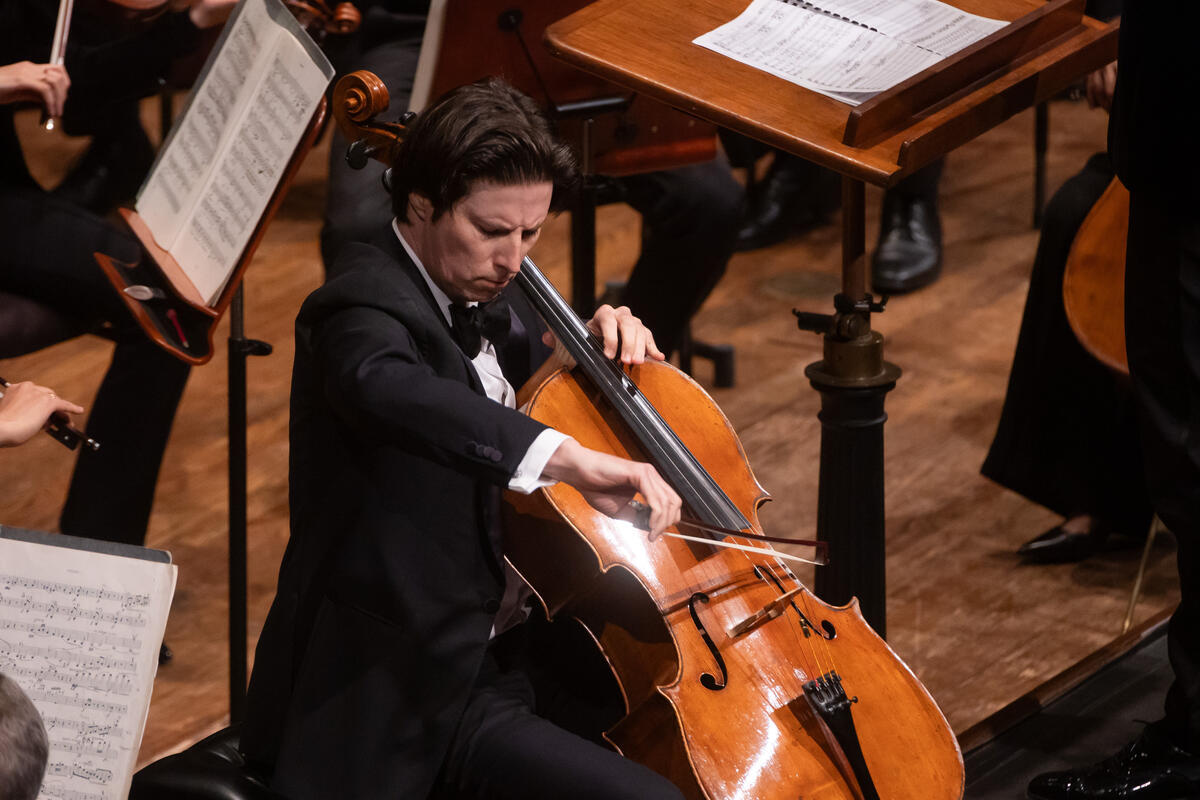 Daniel Muller-Schott
Both the Cello Concerto and Brahms’ Symphony No.2 included songs that the composers worked into the larger. In the Concerto, Dvorak used his song, Leave Me Alone (originally in Czech), Opus 82, no. 1. It was Josefina’s, his sister’s in law favorite song. During the time Dvorak was completing the Cello Concerto, he learned that Josefina was very ill. Once he returned to Prague from America, she passed away. That emotional trial led him to change the the third movement, Finale: Allegro moderato. The Cello now also changes his mood to a more inward look. There are elements of folk-music and yet not any wildness. The cello becomes very quiet until is is silent. A forceful crescendo is taken up by the entire orchestra. And it is gone. Dvorak had loved Josefina but married her younger sister.
(Leave Me Alone: “Leave me alone with my dreams, do not disturb the rapture in my heart!…Leave me alone!…Do not ask about the magic that fills my, you cannot comprehend the bliss his love has made me feel…Leave me alone with my burden of passionate torment, of blazing ecstasy.”)
Brahms wrote the second symphony in a few months. He certainly composed it without the amount of struggle he lived with for his first. The Symphony No. 2 has been called “sunny” or pastoral; actually, it strikes me in a different way. The first movements, Allegro non troppo and then Adagio non troppo, felt stormy, threatening. Brahms wrote, “I would have to confess that I am a very melancholy person and that dark wings are constantly rustling above me.” I am aware that Brahms did not write music that makes a picture, vision, or story. However, the music can affect the listener. Brahms cannot get away from himself.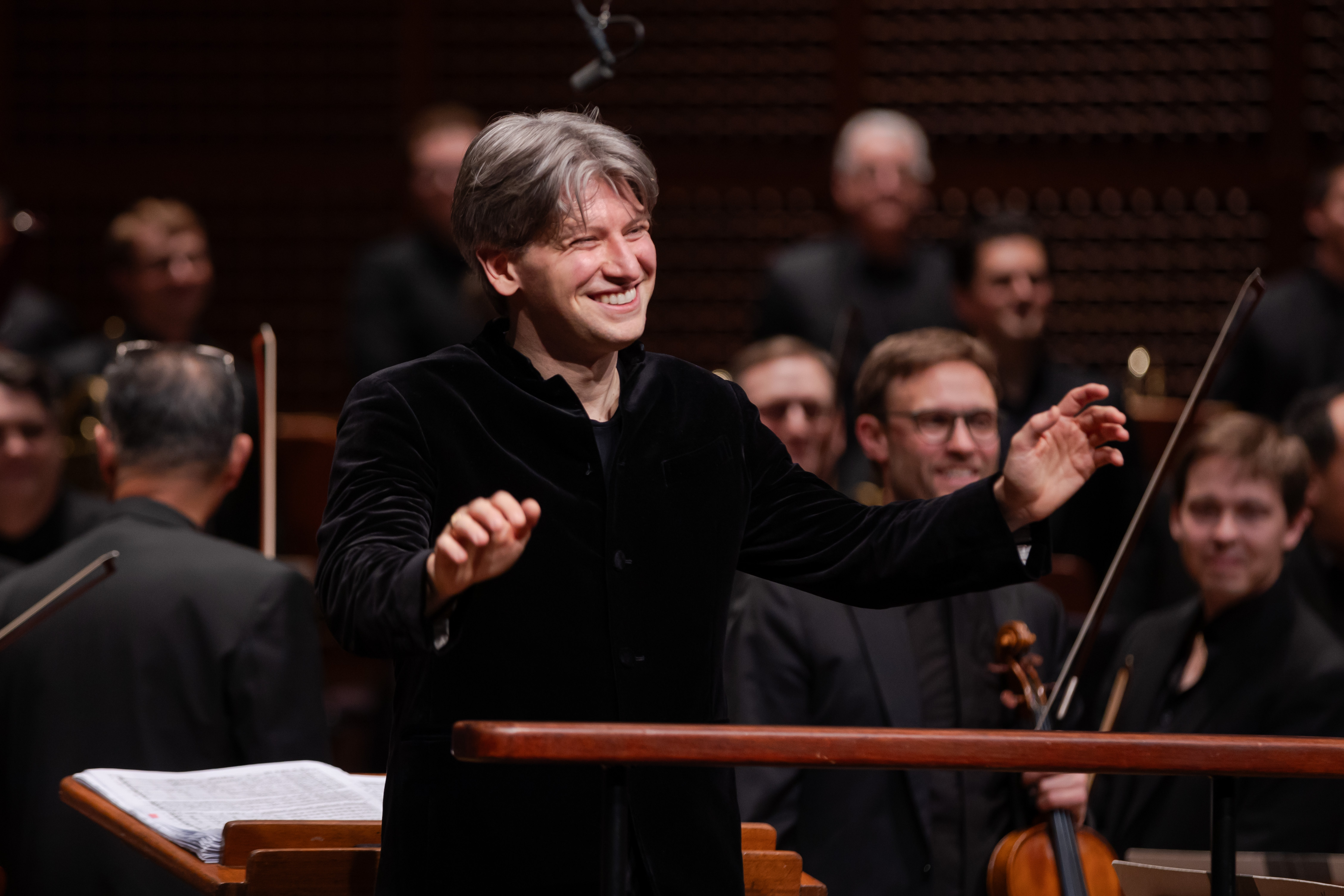 Daniele Rustioni, Conductor
Symphony No. 2 in D major, Opus 73, is a miracle from Brahms. The opening movements are almost frightening and then Brahms gives us the sunshine.
His song, Wiegenlied (Lullaby) Opus 49, no.4, which was known to me as Brahms’ Lullaby when I was a very young person, is distributed in bits or pieces or given different harmony. Near the end of the movement, the Allegro non troppo soothes the music and now might briefly calm an adult. The second movement, Adagio non troppo struck me as Brahms’ most inward gaze. The third movement, Allegretto grazioso, plays as though on a school field, running and occasionally jumping. The orchestra has moved away from horns, violas, bassoons to the oboe, violins, woodwinds. We are moving out of our dark thoughts which took over for two movements and bits. The finale, Allegro con spirito, starts with the strings playing quietly, a contrapuntal harmony, the flute takes the stage, and the full orchestra and the brass welcome a happy day.
Brahms’ Lullaby
Lullaby, and good night, with pink roses bedight
With lilies o’er spread, is my baby’s sweet head
Lay thee down now, and rest, may thy slumber be blessed!
Lay thee down now, and rest, may thy slumber be blessed!
Lullaby, and good night, your mother’s delight
Shining angels beside my darling abide
Soft and warm is your bed, close your eyes and rest your head
Soft and warm is your bed, close your eyes and rest your head
Sleepyhead, close your eyes. mother’s right here beside you
I’ll protect you from harm, you will wake in my arms
Guardian angels are near, so sleep on, with no fear
Guardian angels are near, so sleep on, with no fear
Enjoy more lullabies to soothe the soul.
Photos by Brittany Hosea-Small, courtesy of San Francisco Symphony
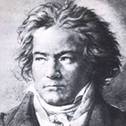 Ludwig van Beethoven (1770-1827)