Here are the artists performing & teaching in the Festival. Don’t miss this opportunity to try something new, tune up your technique–or acquire a technique, expand your creativity, and just have fun dancing. Open to all adult ages and levels of training or lack of it! 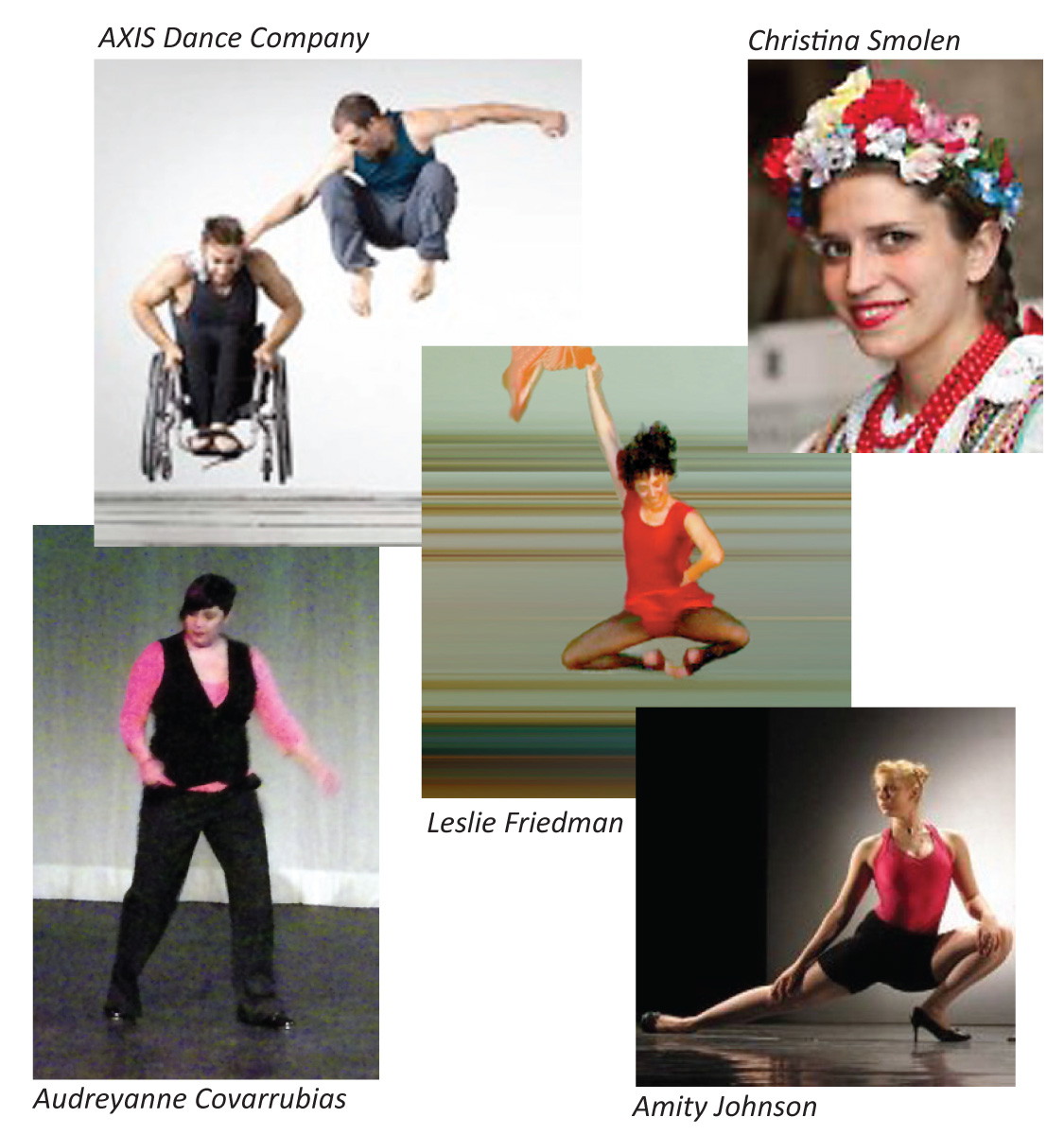
Author Archives: Leslie
Scholarship & Early Bird Festival Deadlines Soon!
It’s time! The deadline for Early Bird registration for the second International Dance Festival-Silicon Valley is July 19th; that’s soon! The deadline to apply for scholarship aid is July 26. The Festival is just one month away. Don’t wait. Send for your scholarship application. Send in your registration. Here’s the contact information: livelyfoundation@sbcglobal.net Here’s the Festival schedule: Aug. 19-23, MWF, contemporary technique at 10:30 a.m.; repertory at 11:40 a.m.; composition/improv at 1:30-2:30//TTh, contemp tech at 9:30; rep at 10:40; comp/improv at 12:30-1:30. FULL DAY OF DANCE, Aug. 24: PILATES, 9 A.M.; CONTEMP, 10:15; TAP, 11:45; POLISH FOLK, 2 -3:15 p.m.; AXIS Dance Co., 3:30-5 p.m. Join us for the Festival’s farewell dinner, right there after the show. Festival Concert: Sunday, August 25, 3 p.m. 890 Church St. Mtn. View. Don’t wait! Sign up! Photos: AXIS Dance Co., Audreyanne Delgado Covarrubias.
Impressionist Paintings/San Francisco
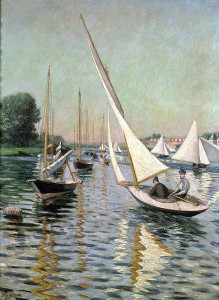
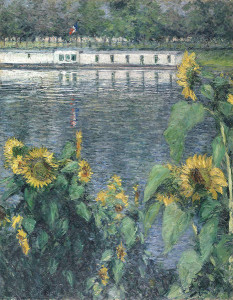
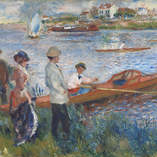
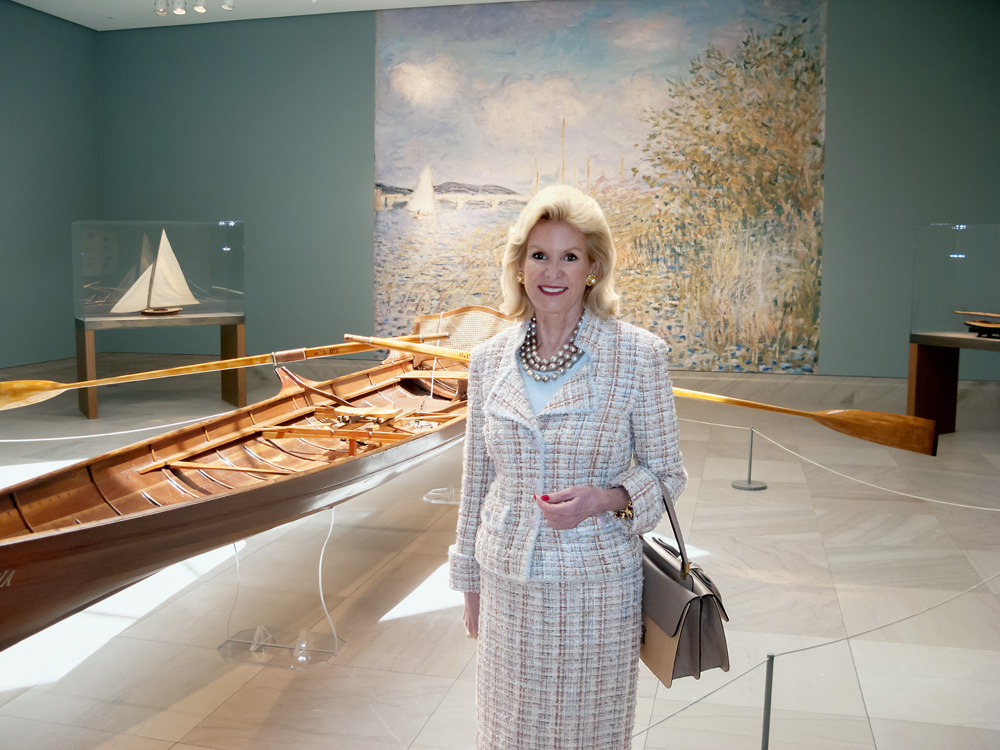
 Summer in San Francisco is a time to appreciate the beauty of light on the water at the SF Bay or the Pacific Ocean. The Legion of Honor Museum, perched above the Pacific in one of the few spots with a gorgeous view of both the Bay and Ocean at the same time, offers visitors a glorious exhibition, Impressionists on the Water. It opened June 1 and runs through October 13, 2013. More than 80 paintings and works on paper demonstrate the artists’ fascination with water, light, and color in works by Renoir, Monet, Pissarro, Caillebotte and post-Impressionists including Denis and Signac. When I had the opportunity to tour the exhibit with the distinguished guest curators, I mentioned to one of them, Christopher Lloyd, former Keeper of Queen Elizabeth’s collection, that I thought they had painted all those boats just because they were pretty. He said that he had once thought that, too. Instead, it turns out that they were all involved in boating, knowledgeable about yacht construction and sometimes active in competitions. In Regatta in Argenteuill, Gustav Caillebotte shows three different views of his sail boat and a self-portrait of himself steering with one finger. He was an expert boat designer and proud of his boats’ speed. The guest curators include Phillip Dennis Cate, former director of the Zimmerli Art Museum, Rutgers Univ., and the marine historian, Daniel Charles. To look at these paintings is to feel the refreshing movement of the water through the active brushstrokes. Photos: (above), Boats Moored at Le Petit-Gennevilliers (1874), Monet; (L-R)Regatta at Argenteuill (1893), Caillebotte; Sunflowers Along the Seine (1885-1886), Caillebotte; Oarsmen at Chatou (1879), Renoir(pictures courtesy of FAMSF). Mrs. Diane B. Wilsey, President, Board of Trustees, Fine Arts Museums of San Francisco (photo by Jonathan Clark). Mrs.Wilsey is standing by the boat, Nana, believed to have belonged to the author, Emile Zola.
Dvorak & San Francisco Symphony
For the longest time, I thought that tune was an American folk song, like “Shenandoah,” or even “Sweet Betsy from Pike.” Not so. Instead, it is entirely original and at the heart of From the New World, Symphony No. 9 in E minor by Antonin Dvorak. There’s a lot of commentary about how he wrote it. He lived in New York in 1892. A determined visionary, Jeanette Thurber, wanted to create the National Conservatory of Music, a place where students of any gender, race/ethnicity, or economic background could study with the finest musicians. She really did make it happen and brought Dvorak to lead it. He and most of his family came from Bohemia, staying, with only one return to Europe, until 1895. He enjoyed the African-American music he heard, ragtime, and the nearly authentic Native American music he heard at Buffalo Bill Cody’s extravaganzas. And yet, Dvorak was not a researcher. So, how did this great-hearted symphony come to Dvorak? It is true that he said, “I am now satisfied that the future music of this country must be founded upon what are called the African American melodies,” but the symphony, written in 1893, is definitely his own and written as a European symphony. Dvorak is the de Tocqueville of great music. Just as that young Frenchman came to America and immediately understood what was going on here, Dvorak came to the US and wrote masterpieces which to our ears are our masterpieces expressing a truth about America better than anyone else. It was a truth about who we wish to think we are. On June 1, 2013, The San Francisco Symphony, conducted by Juraj Valcuha, performed it with all the energy, optimism and yearning that propels this great, humane work. Nostalgia for a place that may never have existed, except at the core of our values, entwines with musical invention and insights. Two years later, in 1895, Dvorak wrote Cello Concerto in B minor, Opus 104. The June 1, 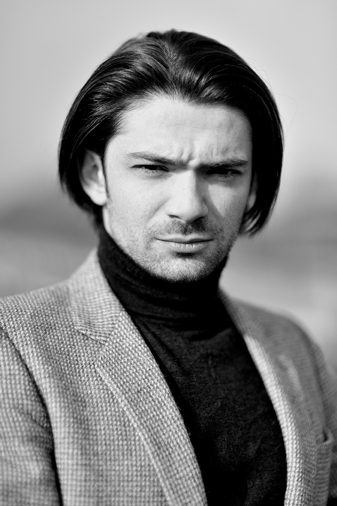
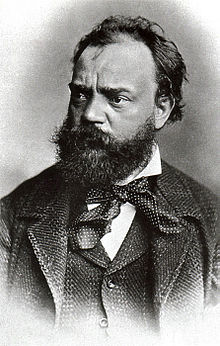
 soloist, Gautier Capucon, played the astonishing concerto with power and understanding. While it is the cello’s piece, the opening movement features a breathtaking horn solo. There is a virtuosic, dancing pace and the introduction of one of Dvorak’s songs which returns near the close. I am sometimes amused and amazed by critics’ commentaries on performances I have attended. One writer in order to praise Capucon mentioned that his playing managed to rise above this old warhorse of the classical repertory. Taking nothing away from Capucon’s masterful performance, one must remember he was performing this particular music, and it is earth shaking music. It opened a magical door to the cello. Allowing us to hear what poetry could come from that instrument, Dvorak pushed the symphonic world into a world of more and different sounds. Hearing it, Brahms said, “Why in the world didn’t I know one could write a cello concerto like this? If I’d only known I’d have done it long ago!” That’s good enough for me. Photos (L to R) G.Capucon, A.Dvorak, J.Valcuha.
Missa Solemnis:Beethoven & San Francisco Symphony
 If I had been given the chance to choose a Beethoven program to attend, it would not have been this one with Missa Solemnis as the big Beethoven event. It even had another Missa in the first half; this one by Palestrina. Lucky for me that Michael Tilson Thomas is a gifted programmer and also takes his musical educator role so seriously as he does. The concert by the San Francisco Symphony and the SF Symphony Chorus was beautiful, complex, inspiring. I wanted it all to happen again immediately.
The Palestrina work opened the program. In fact, it had the effect of opening the whole symphony building. By its conclusion, it seemed that the roof of the hall had lifted up and opened as the walls expanded infinitely. This is an all choral piece, no accompanying orchestra; the San Francisco Symphony Chorus performed so well that they seemed to disappear, leaving pure sound to occupy the ever expanding space. This was the first SF Symphony performance of Palestrina’s Missa Papae Marcelli (Pope Marcellus Mass) from the late 1550s or early 1560s. The audience, eyes open with surprise, floated to intermission. The word “balance” appeared frequently in the program notes, and balance is the answer to put into earthly terms the sense of perfect peace achieved by this work.
With Beethoven’s Missa Solemnis the SF Symphony, SF Symphony Chorus, soloists Laura Claycomb, soprano, Sasha Cooke, mezzo-soprano, Michael Fabiano, tenor, Shenyang, bass-baritone, Conductor Michael Tilson Thomas led the listeners into a different world. Here the energy, tumult, desperation, exaltation of every breath of life for all time engulfs the audience. As prayers of praise, for forgiveness, and sanctifying blessings pour forth, the voice of the music is sometimes the human lost, sometimes the human awed and humbled, even the human sensing glory.
In the Gloria (Glory be to God on high, and on earth/peace to men of good will.) the rhythm goes from walking steps to a levitation into air. In Sanctus (Holy, holy, holy) at the line Benedictus qui venit in nomine Domine (Blessed is he that comes in the name of the Lord) a single violin comes between soloists and chorus in a piercingly beautiful line that sounds like sweetness and truth if they had a sound.
This is the work that Beethoven devoted the most time to create. It has the richness of his understanding of life and complex devotion. It reminds me that music is a physical thing that changes the air it moves through and so might change the heart that hears it. 
 pictures:(L) SFS Beethoven Project logo (Rt)SFS Music Director Michael Tilson Thomas
Gold Rush Shows=Lively Kids
The Lively Foundation presented The Gold Rush! to more than 1000 students in 3 different counties, 4 cities, 5 schools with audiences of students and the schools’ teachers and administrators. Thank you to our Lively supporters who make it possible for our educational and entertaining performance to reach so many! These pictures are from May, 2013.




Gifts From the Gods: Legion of Honor, San Francisco
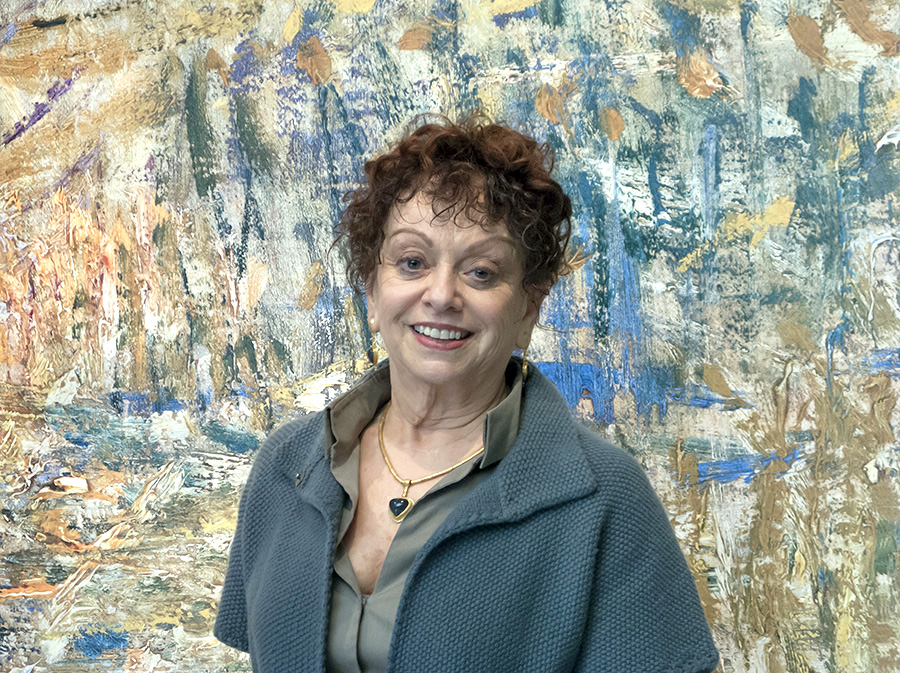
 There is still time to view this fascinating exhibition at the Legion of Honor Museum, San Francisco. It closes June 23, 2013. The exhibition gathers art that grew from the Olympic ideal and from the Olympics themselves, both the ancient Olympics which happened every fourth year for 1000 years and the modern Olympics, revived in 1896. While you are there, remember to pick up the beautiful keepsake brochure that is offered (free!) on a rack in the gallery. It is illustrated with pictures of the rare, Greek coins, sculpture, golden laurel wreath and other art that tell the dramatic story. Written by curator Dr. Renee Dreyfus, it also offers amusing, historic, and inspiring commentary taken from ancient admirers of the athletes. The ancients started out with the religious belief that both art and athletics were gifts from the gods. Over time, the religious connection faded but admiration for the marvelous human body did not fade. Men in motion, yes, mostly men, motivated artists and philosophers to create tributes to specific athletes and particular sports. The coins show chariot races, foot races, wrestling, the discus. Fans of Olympic achievements will find so much to enjoy in this exhibition. They will also see how events changed over time. Wrestling in ancient times was done standing up. The winner was the one who threw his competitor to the ground three times. There were ancient competitions for women, commemorated in coins. They were not in the Olympic Games but in their own festival dedicated to the goddess Hera. The virgin competitors ran in separate categories according to their ages. Photos and posters of modern athletes and memorable Olympics such as the one in 1936 when Jesse Owens upset Hitler’s propaganda and 1972 when terrorists murdered Israeli athletes. Enthusiasm for the athletes is expressed by Lucian, 2nd century AD: “if you were seated among the spectators feasting your eyes on the prowess and stamina of the athletes, the beauty and power of their bodies, their incredible dexterity and skill, their invincible strength, their courage, ambition, endurance, and tenacity. You would never stop…applauding them.”Pictures:(Left)Curator Renee Dreyfus (Right) Red-figure kylix showing two athletes, Greek, Athens, 440-430 BC.
Arader Galleries/European Soiree: San Francisco
Just one day until Leslie Friedman’s presentation at the European Soiree. It’s being held at the Arader Galleries, 432/435 Jackson St., San Francisco, 6-8:30 p.m. It promises to be a wonderful evening: excellent wines, hors d’oeuvres, and a talk which Leslie says “will be something completely different.” A little music, movement, and dvd of dances along with her insightful Backstage Stories from performance tours in which she danced around the world, sponsored by the US State Dept. and host countries including Russia, China, India, Poland, Egypt, and more. In addition, she will reflect on What Happened To History? An historian’s response to the world of instant everything. Space available; pay at the door; $60 for wine, food, delightful company, and entertaining, thought provoking presentation.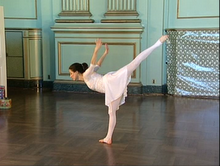
Benjamin Britten Birthday Year
This year would be the 100th birthday of English composer, Benjamin Britten. One great way to celebrate is to listen to violinist Livia Sohn’s recording Britten’s Violin Concerto, Op. 15. She performs this challenging work with clarity and strength. It’s music that deserves to be heard; Ms Sohn’s recording invites you to listen again. She performs it with the Orchestra del Teatro Marrucino, conducted by Luigi Piovano, on the Eloquentia label. The concerto is restless music that throws the listener off guard. Just when one’s ear anticipates the usual next sound, something upsets the rhythm or jars the tone. Britten was 22 years old when he wrote it. The world was coming apart. It was 1938-39; the Nazis were devouring Europe, and Civil War was defeating democratic Spain. While there is nothing overtly political in the music, the sense of balance is shattered. The music is angry, provoking anxiety and fear. Britten offers no peace in the end, just more marches, a strange dance, and questions. Also on the cd is Jiyeh, by American composer Jonathan Berger. This music was inspired by the multiple tragedies of 2006 when Israel responded to attacks by Hezbollah. Berger was in Jerusalem at the time and learned that a rocket hit a power station in Jiyeh, a town on Lebanon’s coast. More than 20,000 tons of oil spilled into the Mediterranean. Jiyeh is a work inspired by this ecological disaster; the plight of Jiyeh’s mostly Maronite population which had suffered decades of attacks by Muslim fighters; the senselessness of war. In addition, the composer studied satellite images of the oil spill. That physical representation led to music based on the visual images of the oil. Ms. Sohn is on the music faculty at Stanford where she coaches violinists and chamber groups. She says she enjoys working with the students who are very bright with great abilities to do many things. Originally from Connecticut and educated at Juilliard, Ms Sohn has been in California since 2000. She is playing a lot of Britten and Lutoslawski at festivals this season. In addition to concerti performances, she also performs with her piano trio, Latitude 41. In addition to the Britten concerto, she is currently performing the Korngold concerto which she says is much easier to listen to, “its beauty just washes over you,” and the Schubert Fantasy, a great favorite. See more at liviasohn.com
Tribune of USA
Here are links to two great newspapers covering local and international news: facebook/tribuneofusa
facebook/punjabnews
Support good journalism!